

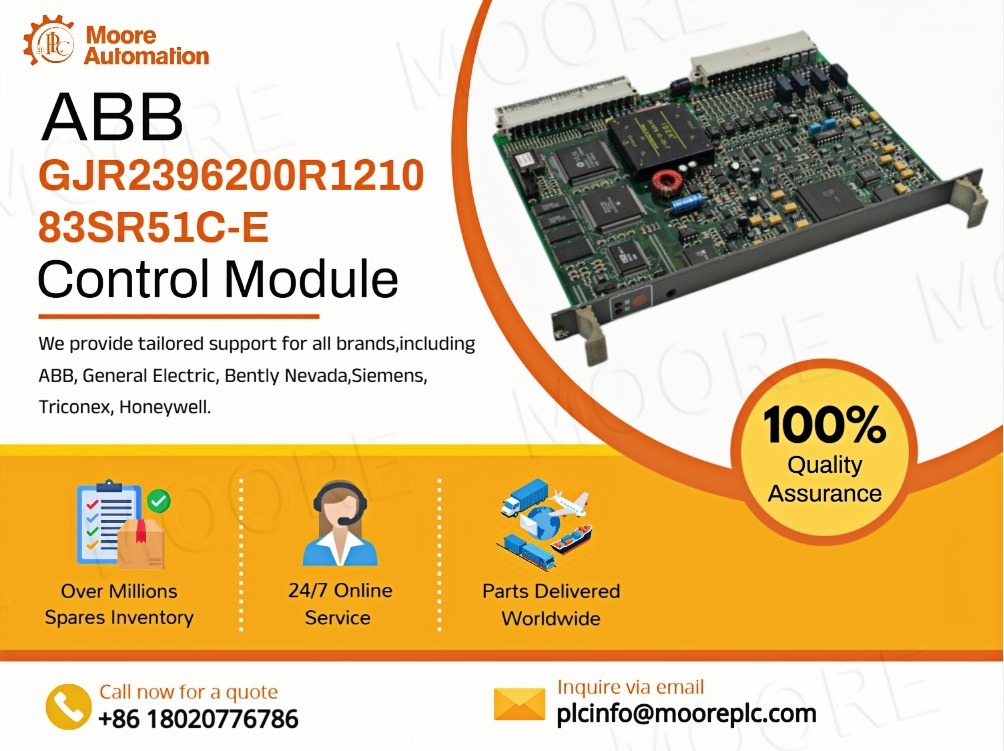
ABB 83SR51C-E Module Overview from a Customer Perspective In industrial automation projects, system continuity often depends on how effectively replacement components are selected and integrated. The ABB GJR2396200R1210 83SR51C-E Control Module from ABB is commonly referenced in maintenance planning for Distributed Control System environments, especially when operators evaluate DCS spare parts and lifecycle extension strategies. From a user standpoint, this module is typically applied in configurations where mixed signal handling and compact I/O distribution are required. It supports AX|DX channel types and is positioned as part of a broader Distributed Control System replacement parts framework, helping engineers align legacy systems with current operational requirements without redesigning the full architecture. Technical Configuration and Channel Structure The ABB GJR2396200R1210 83SR51C-E Control Module is defined by a structured I/O arrangement that supports multiple signal categories within a single unit. It includes 12 input channels and 2 output channels, designed to handle mixed signal environments commonly found in industrial automation setups. Additionally, the module contains 4 digital inputs and 1 digital output, with a total configuration of 2 channels in the system architecture. This combination allows integration into existing Distributed Control System layouts where channel density and signal separation are important planning elements. For engineers sourcing DCS spare parts, this configuration simplifies mapping during system expansion or partial replacement tasks. Role in DCS Spare Parts and System Continuity Planning In many industrial sites, DCS spare parts management is not only about replacement but also about ensuring compatibility with installed infrastructures. The ABB GJR2396200R1210 83SR51C-E Control Module is frequently selected as part of Distributed Control System replacement parts inventories due to its structured I/O design. When integrated into maintenance cycles, it helps reduce the need for large-scale system redesign. Instead, operators can replace targeted modules while maintaining existing control logic. This approach is particularly relevant for plants managing long-term operational continuity strategies where DCS module supplier selection directly affects maintenance scheduling and system downtime planning. Sourcing Strategy from a DCS Module Supplier Selecting a dependable DCS module supplier is a critical factor in procurement decisions involving ABB control components. For the ABB GJR2396200R1210 83SR51C-E Control Module, supply chain consistency and part traceability are often prioritized by procurement teams. Suppliers specializing in Distributed Control System replacement parts typically maintain inventories that support legacy and current system architectures simultaneously. This allows customers to source ABB DCS spare parts in a more structured way, ensuring compatibility checks are completed befor...
All News








 IPv6 network supported