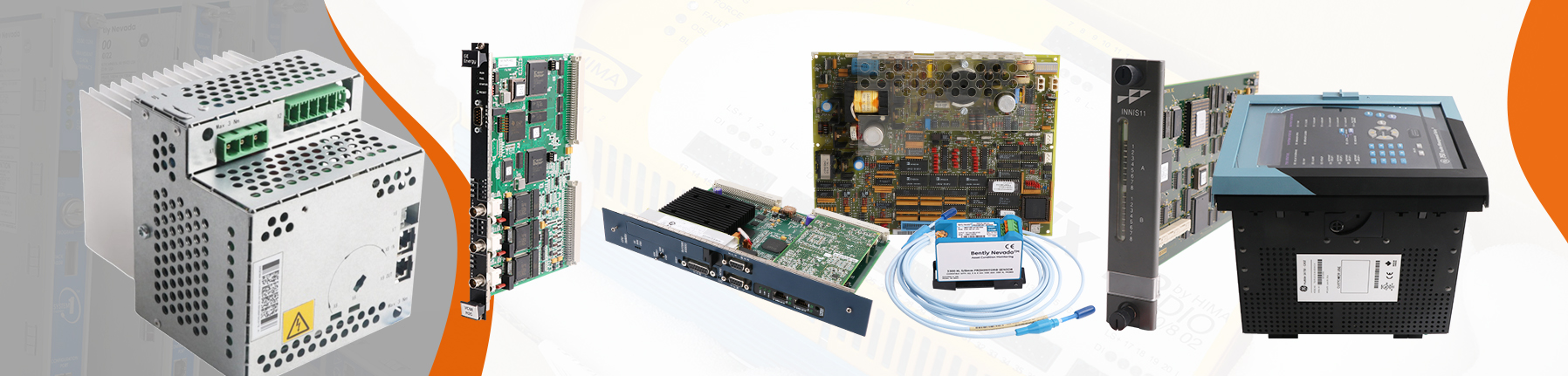

CompactLogix Communication Modules

News

  • Moore is with you on this special Christmas day.
    Moore is with you on this special Christmas day.
    December 23, 2025

    A Seaside Gathering The annual Moore Company Christmas celebration was held by the sea, transcending the traditional office party and reflecting our commitment to creating a genuine atmosphere and strengthening connections. On the tranquil beach, colleagues, their families, and friends gathered on a crisp winter afternoon, immersed in the festive joy and shared anticipation of an unforgettable evening. The Pulse of the Celebration: Live Music and Song As the sun set, cheerful holiday music filled the air. Live music added a wonderful atmosphere, with a talented guitarist setting the tone for the evening. It wasn't just background music; it was a heartfelt invitation. Soon, everyone sang along, dancing and singing on the lawn, creating a beautiful scene. The Lawn Celebration The most magical moment occurred naturally. The captivating guitar chords drew people in, and everyone naturally formed a circle around the guitarist. Laughter filled the air as people held hands and twirled around him. This simple yet joyful gesture became the heart of the celebration, perfectly embodying the MoorePLC family. The infectious laughter brought everyone closer together. Seaside Getaway After the buffet, everyone headed to the beach to enjoy the beautiful evening view, lovely music, and the company of friends. They also participated in a spectacular fireworks display. These experiences built trust, improved communication, and created a series of positive shared memories; the beautiful fireworks left an indelible mark on everyone's hearts. Celebrating Our Culture of Connection and Gratitude This event vividly reflected our company culture. It was our way of thanking every team member and their family for their hard work. We chose a unique, engaging, and welcoming venue to express our respect and gratitude to every employee. The wonderful Christmas event brought joy and relaxation to everyone. Christmas activities concluded successfully The MoorePLC Seaside Christmas Celebration was more than just a holiday party; it fully demonstrated the vibrant community we've built together. As the music faded and the dancers dispersed, the warmth and camaraderie lingered. As we return to our homes and resume our daily lives, our hearts are filled with the echoes of shared songs, memories of collective laughter, and a surge of enthusiasm for the new year. May this festive spirit continue—MoorePLC wishes you a happy holiday! Hot Recommendations Bently Nevada 330102-02-12-50-01-00 EMERSON KJ4110X1-BC1 12P1869X012 Bently Nevada 330101-02-12-05-01-CN EMERSON KJ4110X1-BA1 12P1867X012 Bently Nevada 330907-05-30-70-02-CN/05 EMERSON KJ4002X1-BF2 12P3866X012 Bently Nevada 330910-00-19-05-01-00/CN EMERSON KJ4001X1-NB1 12P3368X022 Bently Nevada 330905-00-12-05-01-00/CN EMERSON KJ4001X1-NB1 12P3368X012 Bently Nevada 330910-00-22-10-02-05/CN EMERSON KJ4001X1-NB1 12P3368X012 Bently Nevada 330910-00-22-10-01-00/CN EMERSON KJ4001X1-NA1 12P3373X032

    Read More
  • Why the ABB MSR04XI Still Matters in an Era of Smart Factories?
    Why the ABB MSR04XI Still Matters in an Era of Smart Factories?
    December 17, 2025

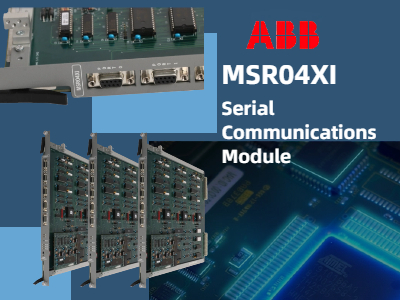
    In today's era of smart factories and Industry 4.0 sweeping the globe, attention is often focused on IoT platforms, AI algorithms, or cloud-based big data analytics. However, in countless traditional industrial sites still operating stably—especially in heavy industries vital to national welfare such as power, chemical, and metallurgy—a stable and reliable DCS (Distributed Control System) remains the lifeline for production safety and efficiency. At the critical communication layer of these systems, the ABB MSR04XI serial communication module plays a silent yet indispensable "guardian" role. This article will delve into why this classic module remains crucial in the era of intelligent manufacturing. The "Nerve Endings" of DCS Systems: Understanding the Key Role of Serial Communication Modules The core idea of a DCS system is "distributed control, centralized management." Its hardware foundation—the field control stations (I/O stations)—needs to exchange data in real time with thousands of field instruments and actuators. In scenarios where Ethernet was not yet widespread or in harsh environments with long distances, stable and reliable serial communication (such as RS-485/RS-422) was once the only option. A Bridge Between Old and New: A "Critical Piece" in Smart Factory Transformation Building a smart factory doesn't always require a complete overhaul. For many companies, the most cost-effective path is "incremental upgrade": gradually embedding new data acquisition points or connecting to upper-level MES/ERP systems while retaining the existing reliable DCS core and numerous field instruments. This is where the value of the MSR04XI module becomes apparent. It can: Protect existing investments: Allowing companies to continue operating older smart devices or third-party subsystems without replacing them. Unparalleled Reliability: Survival in Harsh Environments The primary principle of DCS system design is high reliability and availability. Many industrial environments are harsh, presenting challenges such as strong electromagnetic interference, corrosive gases, and drastic temperature differences. While modern Ethernet devices are powerful, the complexity of their hardware and protocol stacks can sometimes become a weakness in extreme environments. Serial communication modules like the MSR04XI, specifically designed for industrial environments, offer the following advantages: Rugged Hardware: Utilizing industrial-grade components and design, it adapts to environments with wide temperature ranges, high humidity, and vibration. Simple and Stable Protocol: The serial protocol stack is simple, with mature underlying error handling mechanisms, high communication determinism, and resistance to network storms. Strong Electrical Isolation: Effectively isolates electrical interference between the field side and the system side, protecting expensive DCS core equipment. In critical process industries requiring 24/7 uninterrupted operation, this decades-prove...

    Read More
  • How the ICS Triplex T8403 Digital Input Module Enhances DCS Reliability and Efficiency
    How the ICS Triplex T8403 Digital Input Module Enhances DCS Reliability and Efficiency
    December 08, 2025

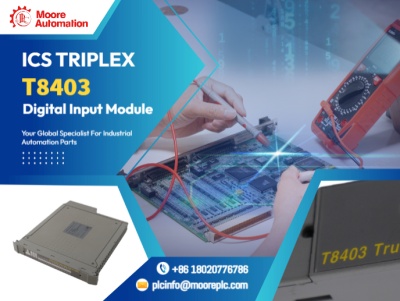
    Introduction to ICS Triplex T8403 Digital Input Module In today's industrial control environments, Distributed Control Systems require components that deliver both precision and operational consistency. The ICS Triplex T8403 Digital Input Module serves as a critical interface for industrial automation applications. With manufacturing systems growing increasingly complex, the availability of reliable DCS spare parts becomes vital for maintaining continuous operations. This module addresses these requirements through its well-engineered design, providing accurate signal acquisition and control capabilities across diverse industrial applications. Key Features of the ICS Triplex T8403 Digital Input Module The T8403 module demonstrates several engineering characteristics that support its use in industrial control applications. It accommodates 40 separate input channels, delivering comprehensive monitoring capacity for various digital signals. The module's 1-millisecond event detection capability ensures reliable capture of rapid state changes, a feature particularly valuable in processing industries and power generation facilities. Built for industrial deployment, the unit maintains operational stability between 0°C and 60°C during use and survives storage conditions from -25°C to 70°C. Its environmental specification includes reliable performance at humidity levels ranging from 10% to 95% without condensation, ensuring dependable service in challenging atmospheric conditions. Benefits of Using ICS Triplex T8403 in DCS Systems Implementation of the T8403 module within control system frameworks enhances both system reliability and operational visibility. The module supplies immediate digital input information, allowing early identification of process variations and supporting timely operational responses. This functionality contributes directly to improved system availability and production efficiency. The module's 40-input design supports expanding monitoring needs without requiring additional hardware investments. Its rapid response capability provides accurate event documentation, essential for process verification and operational analysis in quality-sensitive industries. These attributes establish the T8403 as a practical selection for maintaining control system performance. Why Choose ICS Triplex for DCS Spare Parts and Replacement Modules For operations requiring certified Distributed Control System replacement parts, ICS Triplex manufactures components recognized for their service life and performance consistency. The company's production methodology emphasizes component durability, decreasing replacement cycles and related maintenance costs. As a qualified DCS module supplier, ICS Triplex guarantees component interoperability with existing system designs, facilitating straightforward maintenance and system expansion projects. From scheduled maintenance activities to system enhancement projects, ICS Triplex provides components that help maintain...

    Read More
  • Where Nature Meets Teamwork: An Evening Trek on Xiamen’s Mountain-Sea Health Trail
    Where Nature Meets Teamwork: An Evening Trek on Xiamen’s Mountain-Sea Health Trail
    December 01, 2025

    A Trail Between Two Worlds As the city’s afternoon buzz began to soften, our team set off onto Xiamen’s remarkable Mountain-Sea Health Trail. This isn’t your average urban walkway; it’s an elevated masterpiece weaving through lush hills and offering glimpses of the serene sea. The trail’s genius lies in its design—a smooth, accessible path that floats above the treetops, connecting vibrant urban life with tranquil natural beauty seamlessly. Stepping onto the winding wooden boardwalk, the concrete jungle faded behind us, replaced by a green canopy and the fresh, salty breeze hinting at the ocean nearby. It felt like stepping into a different dimension, one perfectly positioned between earth and sky, city and nature, setting a magical stage for our shared adventure. Golden Hour and Shared Strides We timed our hike perfectly with the approaching evening. As the sun began its descent, a warm, golden light filtered through the leaves, painting the trail in long, dramatic shadows. The pace was relaxed, allowing for effortless conversation and shared laughter that echoed lightly in the open air. Without the challenges of rough terrain, the focus shifted entirely to companionship and the unfolding scenery. We walked in small, ever-changing groups, discussing everything from weekend plans to awe over the engineering of the trail itself. The effortless walk fostered a natural, unforced camaraderie, strengthening bonds with every shared observation and joke. The Spectacle of Sunset from the Skywalk The trail’s elevated sections provided front-row seats to one of nature’s finest daily performances. As we reached one of the broader viewing platforms, the sky transformed. The sun, a fiery orange orb, dipped towards the horizon, setting the clouds ablaze with shades of pink, purple, and gold. Below, the city and the sea started to twinkle with early lights. We paused as a group, a silent consensus forming to soak in this magnificent view. Cameras clicked, but mostly, people just watched, sharing quiet smiles. This collective moment of wonder—standing together high above the city, watching day turn to dusk—was the undeniable highlight of our trek. Nature’s Details and Playful Discoveries Beyond the grand vistas, the trail offered smaller, delightful discoveries. We noticed intricate spiderwebs glinting in the oblique light, listened to the evening chorus of birds settling in, and spotted colorful flowers clinging to the hillsides. The journey was punctuated with playful moments: spotting distant islands, trying to identify landmarks in the cityscape below, and even encountering friendly local walkers and their pets. The beautifully designed trail, with its gentle curves and occasional artistic installations, made every turn interesting. It was a reminder that adventure doesn’t require rugged climbs; it can be found in curiosity and shared observation. Twilight Return and Reflective Conversations As twilight deepened into a velvety blue, we began our return. The ...

    Read More
  • How the Honeywell CC-PUIO31 Module Boosts Your DCS Efficiency
    How the Honeywell CC-PUIO31 Module Boosts Your DCS Efficiency
    November 26, 2025

    Introduction to the Honeywell CC-PUIO31 Module In contemporary industrial automation, maintaining an effective Distributed Control System is crucial for operational excellence. The Honeywell CC-PUIO31 Universal Input/Output Module functions as a pivotal interconnection component within Honeywell's automation framework. This unit facilitates uninterrupted data transfer between field instruments and your main control infrastructure. For engineers requiring technical documents such as the Honeywell CC-PUIO31 manual or CC-PUIO31 datasheet, or those sourcing a dependable DCS module supplier, comprehending this module's functionalities is essential for control system optimization. What is the Honeywell CC-PUIO31 and How Does It Work? The Honeywell CC-PUIO31 operates as an adaptive signal processing unit that manages both continuous and discrete signals within automation environments. It establishes connections with various field instruments—including measurement sensors, regulatory devices, and final control elements—forming a crucial data conduit. When implemented in architectures like the Honeywell C300, this component converts physical process parameters into usable information for automated control sequences. The Honeywell PUIO series is particularly designed to preserve signal accuracy in electrically challenging industrial conditions, proving advantageous for essential applications where control consistency and measurement precision are vital. Why Choose the Honeywell CC-PUIO31 for Your DCS? Selecting the CC-PUIO31 introduces multiple functional benefits to control system operations. Its configurable channel architecture substantially decreases inventory requirements for backup components, as identical modules accommodate various signal formats. This adaptability streamlines system design and reduces overall operational expenditures. Additionally, the unit integrates sophisticated monitoring capabilities that can notify personnel about potential circuit abnormalities or signal quality issues before they escalate into process disruptions. For installations operating Honeywell C300 control platforms, the CC-PUIO31 guarantees inherent compatibility and enhanced functionality, establishing a scalable basis for system growth and technology updates. Where Can You Find Honeywell CC-PUIO31 Parts and Support? Acquiring certified components and technical assistance remains vital for sustained system operation. Licensed distributors and specialized industrial automation partners serve as main sources for authentic DCS spare parts. These providers generally offer availability to crucial technical materials, including the CC-PUIO31 datasheet and application notes, together with physical components. While identifying a DCS module supplier, confirm their authorization status to guarantee receipt of legitimate Distributed Control System replacement parts matching original specifications. Reputable suppliers frequently deliver supplementary value via engineering ...

    Read More
  • How ABB's CI867AK01 Communication Interface Module Revolutionizes Industrial Networking
    How ABB's CI867AK01 Communication Interface Module Revolutionizes Industrial Networking
    November 19, 2025

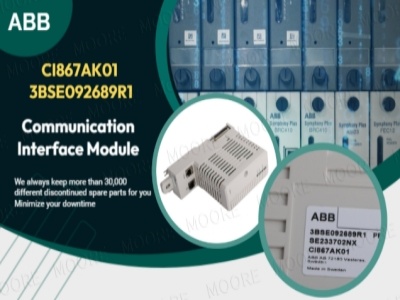
    Why Select the CI867AK01 Module? Key Features and Benefits The ABB CI867 module delivers exceptional value through its dual-protocol architecture supporting Modbus TCP and Ethernet/IP communications. This versatile interface solution enables seamless connectivity across PLCs, sensor networks, and human-machine interfaces, establishing itself as essential DCS spare parts for system maintenance and expansion projects. Engineers benefit from dual Ethernet ports supporting 10/100 Mbps data transfer alongside IP20 protection for challenging industrial environments. With power consumption maintained below 6 watts, the module provides an energy-conscious solution that reduces operational expenses while ensuring reliable performance in diverse application scenarios. How Does the CI867AK01 Enhance System Integration? Integration within the ABB DCS 800xA framework transforms the ABB CI867 into a powerful connectivity enabler. The module serves as sophisticated Distributed Control System replacement parts, bridging the gap between core control systems and field devices while maintaining continuous data flow. This capability proves particularly valuable in energy generation, manufacturing operations, and chemical processing facilities where uninterrupted communication is non-negotiable. By consolidating protocol translation functions, the CI867AK01 eliminates the need for additional hardware components, resulting in streamlined network architectures and reduced system complexity for operational teams. Technical Specifications: Performance and Reliability Operating on standard 24V DC power, the ABB CI867 maintains operational integrity across temperature ranges from 0°C to +60°C, with storage capabilities extending from -40°C to +85°C. The redundant Ethernet interfaces ensure communication continuity during network disruptions, providing critical failover protection for mission-critical applications. When procuring from authorized DCS module supplier channels, customers receive genuine components meeting original specifications. The module's efficient power design contributes to lower energy consumption profiles, supporting sustainability initiatives while maintaining peak performance levels in demanding industrial settings. Certifications and Global Compliance Standards International certifications including CE and UL markings confirm the ABB CI867 compliance with global safety and quality requirements. These certifications validate adherence to European and North American standards, ensuring safe deployment across international projects. The module's certification portfolio makes it suitable for global operations while maintaining consistent performance benchmarks. As certified Distributed Control System replacement parts, these modules provide assurance of quality and reliability for system integrators managing multi-national installations and requiring standardized components across different geographic regions. Simplified Installation and Documentat...

    Read More
  • How the GE IS420PUAAH1A I/O Module Enhances Industrial Automation Systems
    How the GE IS420PUAAH1A I/O Module Enhances Industrial Automation Systems
    November 12, 2025

    Introduction to the GE IS420PUAAH1A I/O Module The GE IS420PUAAH1A serves as a fundamental component in industrial automation frameworks, delivering reliable real-time monitoring and control functions for sophisticated industrial systems. This versatile 24VDC input module is specifically designed for smooth implementation across diverse process control module applications. Ranging from power generation automation to various manufacturing operations, the IS420PUAAH1A module proves particularly effective in high-demand scenarios where precision and rapid data processing are essential.Engineered for both resilience and user-friendly operation, this component enables efficient interconnection between field instruments and control systems, guaranteeing accurate signal transmission. Its extensive operational tolerance to temperature and humidity variations ensures dependable functionality across numerous industrial environments. Technical Characteristics and Performance Attributes The ISSU420PUAAH1A module incorporates eight discrete input channels, providing adaptable connectivity solutions for multiple devices within industrial configurations. It achieves swift operational response times under five milliseconds, guaranteeing immediate detection and processing of system parameter changes - a critical requirement for effective industrial automation control. Notable technical attributes encompass: Operational temperature span: -40°F to +158°F Humidity operating range: 5% to 95% non-condensing Input power requirement: 24 V DC Output current capacity: 10 mA Energy usage: 5W Supported communication standards: Modbus and Ethernet Isolation resistance: ≥100 MΩ at 500 V DC Regulatory approvals: CE, UL, RoHS certification These technical characteristics guarantee consistent operational reliability under challenging conditions, ensuring both operational safety and system performance. Operational Economy and Financial Considerations Regarding economic efficiency, the IS420PUAAH1A module provides substantial performance relative to its market positioning. Although the specific IS420PUAAH1A price may vary among different suppliers, it consistently represents an economically viable option for contemporary industrial automation control implementations. The component's modest 5W energy requirement contributes to enhanced power efficiency, enabling enterprises to reduce operational expenditures, particularly in extensive installations requiring uninterrupted data processing and system management.The module maintains excellent operational capabilities despite its competitive pricing, establishing it as a preferred selection for numerous automation and process control module implementations. The optimal balance between economic efficiency, operational excellence, and straightforward implementation methodology represents key factors driving organizational preference for the IS420PUAAH1A across both limited and extensive automation implementations. Practical Implementatio...

    Read More
  • The Silent Guardian: How the Woodward 5464-210 Protects Your Operations
    The Silent Guardian: How the Woodward 5464-210 Protects Your Operations
    November 06, 2025

    In industrial control systems, true value isn't measured by commands sent, but by disasters prevented. The    Woodward 5464-210 represents this philosophy in physical form - a sophisticated monitor that stands guard over your machinery. This device transcends traditional control roles, functioning as an ever-watchful protector that identifies threats before they escalate into emergencies. It's the difference between having a basic switch and employing a dedicated security expert for your power systems. Anticipating Problems Before They Occur What separates advanced monitoring from basic control is the ability to recognize warning signs. The 5464-210 processes operational data with an understanding of normal patterns versus dangerous trends. It notices the slight irregularities that often precede major failures - those subtle changes in performance that human operators might miss during routine monitoring. This foresight transforms maintenance from emergency response to strategic planning, creating opportunities to address concerns during scheduled service rather than amid production crises. Multiple Layers of Defense for Critical Assets Protection requires more than single-point solutions. The 5464-210 establishes concentric rings of security around valuable equipment. Its integrated safeguards work like a skilled security team, with each member watching different potential entry points for trouble. These systems don't merely alert operators to problems - they take immediate, pre-programmed actions to isolate issues before they can spread. This approach protects not just individual components, but preserves the integrity of your entire operational ecosystem. Creating Clarity from Complexity Modern industrial systems generate overwhelming amounts of data. The 5464-210's display interface serves as an information filter, highlighting what matters most. Instead of presenting raw numbers, it translates data into actionable intelligence about system health. This clarity allows operators to understand current conditions instantly while tracking performance trends over time. The result is decision-making based on comprehensive understanding rather than fragmented data points. Built to Perform When Conditions Deteriorate Electronic components often fail when needed most - during voltage fluctuations, temperature extremes, or physical vibrations. The 5464-210's engineering assumes these challenges rather than simply hoping to avoid them. Its robust construction maintains accuracy and reliability as environmental conditions deteriorate. This resilience ensures your protective systems remain operational precisely when protection becomes most critical. The Long-Term Value of Prevention While immediate protection provides obvious value, the 5464-210's greater contribution emerges over time. Systems operating within optimized parameters consume less fuel and experience reduced wear. The avoidance of single major failure often justifies years of monit...

    Read More
1 2 3 4 5 ... 33
A total of  33  pages

News & Blogs

  • How Honeywell FC-TSFIRE-1624 Field Termination Assembly Module Simplifies DCS Spare Parts Replacement Strategy 09/05

    2026

    How Honeywell FC-TSFIRE-1624 Field Termination Assembly Module Simplifies DCS Spare Parts Replacement Strategy
    Overview of FC-TSFIRE-1624 in Honeywell DCS Ecosystem The Honeywell FC-TSFIRE-1624 Field Termination Assembly Module is designed to support structured signal interfacing within industrial automation architectures. From a customer perspective, it is often evaluated as part of a broader DCS spare parts strategy, where consistent connectivity and organized field wiring are essential for stable system maintenance planning. In a typical Honeywell distributed control environment, this module is positioned as a bridge between field instrumentation and control system I/O layers. It helps operators standardize wiring layouts, which is particularly valuable when managing legacy upgrades or maintaining Distributed Control System replacement parts inventories across multiple plant sites. Role in Distributed Control System Replacement Parts Planning For plant engineers and procurement teams, long-term availability of Distributed Control System replacement parts is a critical concern. The FC-TSFIRE-1624 supports structured replacement planning by providing a repeatable termination architecture that simplifies module interchangeability during maintenance cycles. Instead of redesigning field connections during every upgrade, customers can align this assembly with existing Honeywell DCS configurations. This reduces complexity in spare part classification and allows teams to forecast DCS spare parts requirements more accurately across shutdown schedules and lifecycle planning. Benefits from a System Integration Perspective From a system integration standpoint, the FC-TSFIRE-1624 helps unify field signal organization within distributed automation projects. Engineering teams often prioritize reducing wiring ambiguity, especially in large-scale process facilities where multiple subsystems interact. By standardizing termination points, the module supports cleaner documentation and easier fault isolation during maintenance. This becomes especially useful for customers working with a DCS module supplier, as it allows consistent part mapping and simplifies coordination between procurement and engineering departments without redesigning existing control logic structures. Sourcing from a Reliable DCS Module Supplier Selecting a dependable DCS module supplier is an important part of lifecycle asset management. The FC-TSFIRE-1624 is typically sourced through authorized industrial automation channels that specialize in Honeywell ecosystems, ensuring compatibility with existing Distributed Control System frameworks. Customers often prioritize suppliers that can support both active installations and legacy system extensions. This ensures that DCS spare parts like termination assemblies remain available throughout system expansion phases, reducing delays in maintenance planning and helping maintain consistent inventory management practices. Integration Considerations in Field Termination Architecture When integrating the FC-TSFIRE-1624 into an existing control environment, engin...
    All News
  • How Does GE IC693CPU374 CPU Module Support Industrial Spare Parts Management Optimization? 30/04

    2026

    How Does GE IC693CPU374 CPU Module Support Industrial Spare Parts Management Optimization?
    Understanding the GE IC693CPU374 CPU Module The GE IC693CPU374 CPU Module is developed to meet the needs of structured industrial automation systems. It operates with a 133 MHz processor and offers 240KB of user memory, allowing users to handle control programs and data organization across multiple production stages. From a user standpoint, this module supports clear system coordination and simplifies integration into existing setups. With over 2,000 timers and counters, it enables precise sequencing, helping businesses manage different industrial automation parts within complex workflows. Why Efficiency Matters in Industrial Automation Parts In industrial environments, coordination between industrial automation parts directly impacts production flow. The GE IC693CPU374 CPU Module requires 7.4 watts at 5VDC, helping users plan energy usage within their systems. As production requirements increase, many companies look for solutions that allow system expansion without major redesign. This module supports higher workload handling, making it easier for customers to improve process efficiency while keeping current system structures. Improving Spare Parts Management Efficiency Spare parts management is essential for maintaining smooth operations and reducing downtime risks. The GE IC693CPU374 CPU Module helps standardize important components within industrial spare parts inventories, making purchasing and storage more straightforward. By including this module in spare parts planning, businesses can simplify replacement processes and reduce the number of different components they need to manage. This contributes to more organized industrial spare parts handling and better inventory visibility. System Flexibility and Integration The GE IC693CPU374 CPU Module can support up to 8 baseplates within a single system, allowing users to design configurations that match their operational needs. This makes it easier to adjust system layouts as production demands evolve. For companies working with various industrial automation parts, this flexibility reduces system complexity and supports consistent configurations across multiple production lines, improving overall coordination. Optimizing Cost and Resource Allocation Controlling costs is a key concern when managing industrial spare parts. The GE IC693CPU374 CPU Module supports better planning by combining processing capability with controlled power usage. When integrated into spare parts management strategies, it helps businesses maintain balanced inventory levels and avoid excess stock. This approach allows for more efficient allocation of resources while supporting continuous system operation. Application Areas Municipal engineering: Water supply pumping stations, sewage treatment systems, auxiliary equipment for urban rail transit. Energy and power: Control of power generation units in power plants, monitoring of substations, control of waste heat boilers. Petrochemicals: Monitoring of oil pipelines in refiner...
    All News
  • How ABB Enhances Reliability with the GJR2396200R1210 83SR51R1210 Control Module in Modern Industrial Systems 24/04

    2026

    How ABB Enhances Reliability with the GJR2396200R1210 83SR51R1210 Control Module in Modern Industrial Systems
    Understanding the Core Value of the ABB Control Module From an end-user standpoint, system dependability is critical to maintaining uninterrupted production. The ABB GJR2396200R1210 83SR51R1210 Control Module addresses this need with a practical and efficient design. Featuring 12 input channels and 2 output channels, it enables accurate signal acquisition and control without adding unnecessary system complexity. Another advantage is its minimal power consumption of only 5 W, which helps reduce energy usage over time. For customers sourcing DCS spare parts or optimizing turbine monitoring solutions, this module offers stable performance and dependable signal processing, making it a reliable addition to modern automation systems. Why Technical Specifications Matter in Real-World Applications In real industrial environments, choosing the right components goes beyond basic compatibility. As part of Distributed Control System replacement parts, the ABB 83SR51R1210 provides 500 V DC isolation, helping protect systems from electrical interference and ensuring accurate data transmission. The module also supports operation in temperatures ranging from –20 °C to +60 °C, allowing it to function reliably across different working conditions. Its extended storage range of –40 °C to +85 °C adds flexibility for inventory management. For buyers working with a DCS module supplier, these specifications translate into reduced risk and improved long-term stability. Where This Module Fits in Turbine Supervisory Systems In turbine supervisory instrumentation components, compatibility and durability are often key concerns. This ABB control module integrates efficiently into existing systems, making it suitable for both retrofitting older setups and implementing new configurations. Its design supports applications such as vibration analysis, process monitoring, and auxiliary protection systems. By including this unit in DCS spare parts planning, operators can minimize unexpected downtime and ensure faster maintenance response, which is essential in high-demand industrial environments. When to Choose ABB 83SR51R1210 for Your System Upgrade Upgrading control systems at the right time can significantly improve operational performance. This module becomes a strong candidate when existing components show signs of instability or when maintenance costs begin to rise. Its ability to handle humidity levels from 5% to 95% (non-condensing) ensures consistent operation even in challenging conditions. For industries that run continuously, such as energy production or process manufacturing, introducing reliable Distributed Control System replacement parts like this ABB module can enhance system resilience and reduce unplanned interruptions. How This Module Supports Cost-Effective Maintenance Strategies Cost control remains a major concern for most facilities. The ABB 83SR51R1210 helps address this by combining durability with low energy requirements. Its long service life reduces the ...
    All News
  • Why and How Does Honeywell CC-PAOH01 51405039-175 Analog Output Module Strengthen DCS Spare Parts Strategy and Industrial Reliability? 16/04

    2026

    Why and How Does Honeywell CC-PAOH01 51405039-175 Analog Output Module Strengthen DCS Spare Parts Strategy and Industrial Reliability?
    Understanding the Role of CC-PAOH01 in Modern DCS Environments From a customer’s perspective, the Honeywell CC-PAOH01 51405039-175 Analog Output Module is not just a hardware component—it is a critical execution point within a Distributed Control System (DCS). In many industrial plants, stable analog output determines whether field actuators respond accurately to process demands. When operators evaluate DCS spare parts, this module often becomes a priority due to its direct impact on process continuity. For facilities relying on aging infrastructure, securing reliable Distributed Control System replacement parts is a strategic decision rather than a simple maintenance task. The CC-PAOH01 provides 16-channel 4–20 mA output capability, enabling scalable control across multiple loops while reducing downtime risks associated with legacy system failure. Technical Strength Behind Stable 4–20 mA Output Performance The CC-PAOH01 module is designed around industry-standard 4–20 mA output, ensuring compatibility with a wide range of industrial actuators and instrumentation. Its ability to support 16 output channels makes it suitable for medium to large-scale process automation environments where output density matters. From a technical standpoint, features like <100 mV ripple, ±0.35% calibrated accuracy at 25°C, and low temperature drift (0.005% FS/°C) contribute to stable field performance. These parameters reduce signal noise and improve process predictability, especially in high-precision operations. For engineers sourcing from a DCS module supplier, such stability directly translates into fewer calibration cycles and lower long-term maintenance cost, which is critical for industries operating 24/7. Reliability, Drift Control, and Lifecycle Maintenance Value In real-world plant operations, reliability is often more important than peak performance. The CC-PAOH01 module is engineered to minimize output deviation over time, ensuring that process control remains consistent even under thermal and electrical stress conditions. Customers managing DCS spare parts inventories often prioritize modules with predictable drift behavior and strong readback diagnostics. With a ±4% full-scale readback accuracy, operators can detect anomalies early and prevent system-wide disruptions. This reliability reduces emergency shutdown risks and supports long-term lifecycle maintenance planning. For aging systems, maintaining a stock of Distributed Control System replacement parts like this module ensures operational resilience and reduces dependency on last-minute procurement. Integration into Existing DCS Architectures and Replacement Strategy The CC-PAOH01 module is designed for seamless integration into Honeywell-based control architectures, making it a preferred choice when upgrading or replacing legacy output modules. Its compatibility ensures minimal configuration changes during system refurbishment. From a procurement standpoint, companies often rely on a qualified D...
    All News
  • When Is the Right Time to Replace TSI Industrial Automation Spare Parts in Plant Operations? 08/05

    2026

    When Is the Right Time to Replace TSI Industrial Automation Spare Parts in Plant Operations?
    Understanding the Right Timing for Replacing TSI Spare Parts in Industrial Plants For most plant operators, the biggest challenge is not whether TSI spare parts will eventually wear out, but when they should be replaced without disrupting production. From a customer’s perspective, the goal is simple: avoid unplanned downtime while keeping asset performance stable. In real operations, waiting for a complete failure is rarely a cost-effective strategy, especially for critical Turbine Supervisory Instrumentation components. Many plants now rely on condition-based maintenance and digital monitoring of TSI modules to identify early warning signs. Instead of following a fixed replacement schedule, operators increasingly focus on performance trends such as signal drift, unstable readings, or intermittent communication errors. These subtle indicators often signal that replacement should be planned rather than delayed. Common Failure Indicators in Turbine Supervisory Instrumentation Components In industrial environments, Turbine Supervisory Instrumentation components play a critical role in ensuring turbine safety and efficiency. However, these systems often degrade gradually, making early detection essential. Customers frequently report issues such as inconsistent vibration readings, temperature inaccuracies, or alarm delays as early warning signs. From a maintenance perspective, these symptoms should never be ignored. In modern facilities, engineers also track degradation patterns in TSI modules through diagnostic tools integrated into control systems. When performance deviation becomes consistent, it is often more economical to replace TSI spare parts rather than recalibrate repeatedly. This approach reduces operational risk and improves long-term reliability. Operational Risks of Delayed Replacement in Critical Systems Delaying replacement of aging components can significantly increase operational risk, especially in high-load turbine environments. A failing sensor or module can lead to incorrect supervisory data, which directly impacts safety decisions and plant efficiency. In some cases, even a minor delay can escalate into unplanned shutdowns or expensive repairs. For example, systems using GE UR7KH protection and monitoring modules rely heavily on accurate input from surrounding instrumentation. If connected TSI modules begin to degrade, the entire protective logic chain may become less responsive. From a customer standpoint, the cost of unexpected downtime often far exceeds the investment in proactive replacement of TSI spare parts, making timely action a critical business decision. Evaluating Lifecycle Strategy for TSI Modules and Plant Assets A well-structured lifecycle strategy helps plant operators avoid reactive maintenance. Instead of focusing only on failures, many facilities now analyze usage cycles, environmental conditions, and historical performance of TSI modules. This allows maintenance teams to forecast when replacement should occur...
    All Blogs
  • Why are global plants accelerating upgrades to HIMA safety automation spare parts? 28/04

    2026

    Why are global plants accelerating upgrades to HIMA safety automation spare parts?
    Aging assets pushing safety systems closer to operational limits Across many process industries, existing automation systems are reaching or exceeding their intended service life. From an operator’s perspective, the concern is no longer only maintenance cost, but the increasing probability of unexpected downtime or safety loop instability. Even minor performance deviations can lead to costly interruptions in continuous production. This situation is driving more attention toward DCS spare parts planning at the plant level. Instead of handling failures when they occur, engineering teams are building structured replacement schedules. The objective is to secure long-term reliability and reduce unplanned shutdown risks in critical operations. Obsolescence challenges in legacy control environments One of the key issues plant engineers face today is hardware obsolescence. As automation platforms age, sourcing compatible components becomes more difficult, and delivery times are often unpredictable. This creates pressure on maintenance teams who must balance uptime requirements with limited spare availability. To manage this risk, many operators are adopting a lifecycle-based approach using Distributed Control System replacement parts. Rather than replacing individual failed items in isolation, they are aligning spare strategies with system-wide upgrades. This helps reduce compatibility issues and improves maintenance predictability during scheduled outages. Preference for HIMA systems in safety-critical modernization projects In safety automation upgrades, many end users continue to rely on HIMA due to its established track record in high-integrity applications. From a customer standpoint, the key advantage is system stability combined with long-term upgrade flexibility. Platforms such as HIMA HIMAX are often selected as part of phased modernization projects. Instead of replacing entire control architectures, plants upgrade selected layers while maintaining overall system structure. This minimizes engineering disruption while still improving diagnostics, reliability, and safety performance in critical processes. Selecting the right modules for stable system performance Spare part selection is a critical factor in ensuring uninterrupted operation of safety systems. Engineers typically evaluate compatibility, redundancy behavior, and long-term support availability before finalizing replacement components. Commonly used modules such as HIMAX X-AO1601, HIMAX X-DI3201, and HIMAX X-CPU01 are often chosen for upgrade consistency. These components help maintain system alignment while simplifying integration work. For maintenance teams, standardization also reduces configuration effort and improves troubleshooting efficiency during plant turnaround periods. Supply reliability and the role of trusted sourcing channels Global supply chain instability has made procurement planning more complex for industrial operators. Delays in receiving critical automation compone...
    All Blogs
  • How Digitalization Is Transforming PLC Spare Parts Management 22/04

    2026

    How Digitalization Is Transforming PLC Spare Parts Management
    The Growing Challenge of Managing Industrial Spare Parts Running a modern production facility means dealing with constant pressure. The old ways of handling industrial spare parts no longer work—unexpected machine stops, long shipping waits, and poor team coordination create daily headaches. These issues drain budgets and push deadlines back. Too many shops still rely on paper logs or basic spreadsheets, leaving them stuck in a reactive mode. Without solid forecasting, they either hoard too much stock or face desperate shortages when a key part is needed. Why Digitalization Matters in Spare Parts Management Bringing digital tools into spare parts management changes the game by shifting decisions from guesswork to real data. Connected platforms let firms track part usage, monitor how components hold up, and set up automatic reorder points. For the customer, this means far fewer unexpected events and a much clearer maintenance schedule. Digital methods help stretch the life of industrial automation parts, so teams can fix issues before a breakdown stops the line. Real-Time Inventory Visibility and Control Knowing your inventory down to the minute gives any operation a serious edge. Modern digital dashboards offer live tracking of industrial spare parts, showing exactly what is on the shelf and which bin it sits in. This speed makes emergency response much smoother. For example, when a critical SIEMENS 6SL3055-0AA00-4CA5 fails, the team can instantly spot a replacement and get production rolling again. Good visibility also keeps different shifts and warehouses on the same page. Smart Procurement and Supplier Integration Buying parts has gotten smarter thanks to digital links between buyers and sellers. These systems simplify how companies source industrial automation parts and remove a lot of old paperwork. With a connected platform, ordering something like 6SL3320-1TE33-1AA3 takes just a few clicks. These tools also shine a light on real pricing, honest delivery dates, and which suppliers actually deliver on time, helping buyers avoid bad deals and unexpected delays. Predictive Maintenance and Reduced Downtime One of the strongest gains from going digital is catching equipment trouble before it stops work. Smart sensors and analysis software spot small warning signs in industrial spare parts long before a crash happens. Take a drive like 6SL3210-1PE31-8UL0—tracking its temperature and vibration lets a crew swap it during a planned stop, not at 2 AM on a Sunday. This forward-looking method kills surprise breakdowns, keeps output high, and trims repair bills over time. Building a Future-Ready Spare Parts Strategy Staying ahead means rethinking how you handle spare parts management from the ground up. Rolling out digital systems, cleaning up messy workflows, and teaching staff new skills are all must-dos. From the customer’s chair, the goal stays simple: get reliability, cut downtime, and hold the line on costs. By putting digital technology to work, ...
    All Blogs
  • What’s New in Honeywell Automation Spare Parts for Smart Factories? 14/04

    2026

    What’s New in Honeywell Automation Spare Parts for Smart Factories?
    The Rising Demand for Reliable Automation Spare Parts Modern factories are built around continuous operation, where interruptions can quickly affect output and customer commitments. From the buyer’s perspective, securing stable and high-performing DCS spare parts is a direct way to safeguard production and reduce unexpected downtime. In parallel, procurement teams are paying closer attention to the quality of Distributed Control System replacement parts. Instead of focusing only on price, more businesses now prioritize long-term usability, system fit, and fast replacement cycles to keep operations steady. What’s New in Honeywell Automation Spare Parts Honeywell is evolving its spare parts offerings to better align with digital manufacturing needs. Newer components are designed to operate more reliably under continuous workloads while offering improved integration with existing automation platforms. For end users, these updates mean greater operational confidence and less reliance on emergency maintenance. Enhanced diagnostics also allow earlier detection of performance issues, helping teams act before failures impact production. Key Models Supporting Smart Factory Operations In practical applications, proven models remain essential for maintaining system consistency. Honeywell CC-PAIH02 51405038-376 and CC-PAOH01 51405039-175 are commonly deployed in environments that demand accurate control and stable performance. The DWR06 model is also frequently used to support dependable system functionality. To ensure these components perform as expected, many companies choose to work with a qualified DCS module supplier. This approach reduces the likelihood of counterfeit or incompatible parts entering the system and helps maintain smooth integration. How Spare Parts Improve Operational Efficiency Using reliable DCS spare parts can make a noticeable difference in daily operations. Stable components help maintain consistent signal processing and reduce the chances of system interruptions, allowing production lines to run more efficiently. Additionally, investing in durable Distributed Control System replacement parts can lower overall maintenance pressure. With fewer unexpected failures, businesses can shift toward planned servicing, which is typically more cost-effective and less disruptive. Choosing the Right DCS Module Supplier Partnering with the right DCS module supplier plays a critical role in long-term system performance. Customers should evaluate suppliers based on product authenticity, response speed, and their ability to provide ongoing support. A reliable supplier does more than deliver parts—they help ensure correct selection and smooth implementation. This reduces operational risks and supports consistent performance across the entire automation system. Future Trends in Automation Spare Parts Automation spare parts are becoming more aligned with intelligent manufacturing systems. With increasing use of connected technologies, components are ex...
    All Blogs
leave a message
If you are interested in our products and want to know more details,please leave a message here,we will reply you as soon as we can.
submit

Our hours

Mon 11/21 - Wed 11/23: 9 AM - 8 PM
Thu 11/24: closed - Happy Thanksgiving!
Fri 11/25: 8 AM - 10 PM
Sat 11/26 - Sun 11/27: 10 AM - 9 PM
(all hours are Eastern Time)
Contact Us:+86 18030235313

Home

Products

whatsApp

Contact Us