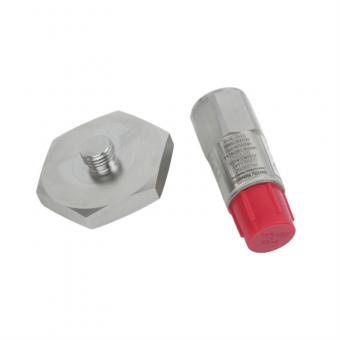
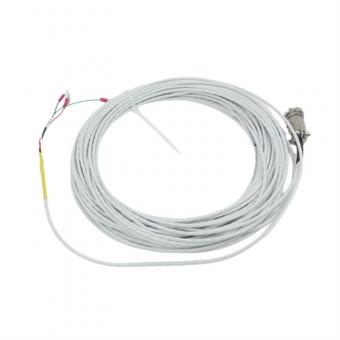
When Is the Right Time to Replace TSI Industrial Automation Spare Parts in Plant Operations?
Understanding the Right Timing for Replacing TSI Spare Parts in Industrial Plants For most plant operators, the biggest challenge is not whether TSI spare parts will eventually wear out, but when they should be replaced without disrupting production. From a customer’s perspective, the goal is simple: avoid unplanned downtime while keeping asset performance stable. In real operations, waiting for a complete failure is rarely a cost-effective strategy, especially for critical Turbine Supervisory Instrumentation components. Many plants now rely on condition-based maintenance and digital monitoring of TSI modules to identify early warning signs. Instead of following a fixed replacement schedule, operators increasingly focus on performance trends such as signal drift, unstable readings, or intermittent communication errors. These subtle indicators often signal that replacement should be planned rather than delayed. Common Failure Indicators in Turbine Supervisory Instrumentation Components In industrial environments, Turbine Supervisory Instrumentation components play a critical role in ensuring turbine safety and efficiency. However, these systems often degrade gradually, making early detection essential. Customers frequently report issues such as inconsistent vibration readings, temperature inaccuracies, or alarm delays as early warning signs. From a maintenance perspective, these symptoms should never be ignored. In modern facilities, engineers also track degradation patterns in TSI modules through diagnostic tools integrated into control systems. When performance deviation becomes consistent, it is often more economical to replace TSI spare parts rather than recalibrate repeatedly. This approach reduces operational risk and improves long-term reliability. Operational Risks of Delayed Replacement in Critical Systems Delaying replacement of aging components can significantly increase operational risk, especially in high-load turbine environments. A failing sensor or module can lead to incorrect supervisory data, which directly impacts safety decisions and plant efficiency. In some cases, even a minor delay can escalate into unplanned shutdowns or expensive repairs. For example, systems using GE UR7KH protection and monitoring modules rely heavily on accurate input from surrounding instrumentation. If connected TSI modules begin to degrade, the entire protective logic chain may become less responsive. From a customer standpoint, the cost of unexpected downtime often far exceeds the investment in proactive replacement of TSI spare parts, making timely action a critical business decision. Evaluating Lifecycle Strategy for TSI Modules and Plant Assets A well-structured lifecycle strategy helps plant operators avoid reactive maintenance. Instead of focusing only on failures, many facilities now analyze usage cycles, environmental conditions, and historical performance of TSI modules. This allows maintenance teams to forecast when replacement should occur...
All Blogs
 19/05
19/05 16/05
16/05 09/05
09/05 30/04
30/04 20/05
20/05 08/05
08/05 28/04
28/04 IPv6 network supported