
CompactLogix Communication Modules

News

  • How Honeywell FC-TSFIRE-1624 Field Termination Assembly Module Simplifies DCS Spare Parts Replacement Strategy
    How Honeywell FC-TSFIRE-1624 Field Termination Assembly Module Simplifies DCS Spare Parts Replacement Strategy
    May 09, 2026

    Overview of FC-TSFIRE-1624 in Honeywell DCS Ecosystem The Honeywell FC-TSFIRE-1624 Field Termination Assembly Module is designed to support structured signal interfacing within industrial automation architectures. From a customer perspective, it is often evaluated as part of a broader DCS spare parts strategy, where consistent connectivity and organized field wiring are essential for stable system maintenance planning. In a typical Honeywell distributed control environment, this module is positioned as a bridge between field instrumentation and control system I/O layers. It helps operators standardize wiring layouts, which is particularly valuable when managing legacy upgrades or maintaining Distributed Control System replacement parts inventories across multiple plant sites. Role in Distributed Control System Replacement Parts Planning For plant engineers and procurement teams, long-term availability of Distributed Control System replacement parts is a critical concern. The FC-TSFIRE-1624 supports structured replacement planning by providing a repeatable termination architecture that simplifies module interchangeability during maintenance cycles. Instead of redesigning field connections during every upgrade, customers can align this assembly with existing Honeywell DCS configurations. This reduces complexity in spare part classification and allows teams to forecast DCS spare parts requirements more accurately across shutdown schedules and lifecycle planning. Benefits from a System Integration Perspective From a system integration standpoint, the FC-TSFIRE-1624 helps unify field signal organization within distributed automation projects. Engineering teams often prioritize reducing wiring ambiguity, especially in large-scale process facilities where multiple subsystems interact. By standardizing termination points, the module supports cleaner documentation and easier fault isolation during maintenance. This becomes especially useful for customers working with a DCS module supplier, as it allows consistent part mapping and simplifies coordination between procurement and engineering departments without redesigning existing control logic structures. Sourcing from a Reliable DCS Module Supplier Selecting a dependable DCS module supplier is an important part of lifecycle asset management. The FC-TSFIRE-1624 is typically sourced through authorized industrial automation channels that specialize in Honeywell ecosystems, ensuring compatibility with existing Distributed Control System frameworks. Customers often prioritize suppliers that can support both active installations and legacy system extensions. This ensures that DCS spare parts like termination assemblies remain available throughout system expansion phases, reducing delays in maintenance planning and helping maintain consistent inventory management practices. Integration Considerations in Field Termination Architecture When integrating the FC-TSFIRE-1624 into an existing control environment, engin...

    Read More


  • How Does GE IC693CPU374 CPU Module Support Industrial Spare Parts Management Optimization?
    How Does GE IC693CPU374 CPU Module Support Industrial Spare Parts Management Optimization?
    April 30, 2026

    Understanding the GE IC693CPU374 CPU Module The GE IC693CPU374 CPU Module is developed to meet the needs of structured industrial automation systems. It operates with a 133 MHz processor and offers 240KB of user memory, allowing users to handle control programs and data organization across multiple production stages. From a user standpoint, this module supports clear system coordination and simplifies integration into existing setups. With over 2,000 timers and counters, it enables precise sequencing, helping businesses manage different industrial automation parts within complex workflows. Why Efficiency Matters in Industrial Automation Parts In industrial environments, coordination between industrial automation parts directly impacts production flow. The GE IC693CPU374 CPU Module requires 7.4 watts at 5VDC, helping users plan energy usage within their systems. As production requirements increase, many companies look for solutions that allow system expansion without major redesign. This module supports higher workload handling, making it easier for customers to improve process efficiency while keeping current system structures. Improving Spare Parts Management Efficiency Spare parts management is essential for maintaining smooth operations and reducing downtime risks. The GE IC693CPU374 CPU Module helps standardize important components within industrial spare parts inventories, making purchasing and storage more straightforward. By including this module in spare parts planning, businesses can simplify replacement processes and reduce the number of different components they need to manage. This contributes to more organized industrial spare parts handling and better inventory visibility. System Flexibility and Integration The GE IC693CPU374 CPU Module can support up to 8 baseplates within a single system, allowing users to design configurations that match their operational needs. This makes it easier to adjust system layouts as production demands evolve. For companies working with various industrial automation parts, this flexibility reduces system complexity and supports consistent configurations across multiple production lines, improving overall coordination. Optimizing Cost and Resource Allocation Controlling costs is a key concern when managing industrial spare parts. The GE IC693CPU374 CPU Module supports better planning by combining processing capability with controlled power usage. When integrated into spare parts management strategies, it helps businesses maintain balanced inventory levels and avoid excess stock. This approach allows for more efficient allocation of resources while supporting continuous system operation. Application Areas Municipal engineering: Water supply pumping stations, sewage treatment systems, auxiliary equipment for urban rail transit. Energy and power: Control of power generation units in power plants, monitoring of substations, control of waste heat boilers. Petrochemicals: Monitoring of oil pipelines in refiner...

    Read More
  • How ABB Enhances Reliability with the GJR2396200R1210 83SR51R1210 Control Module in Modern Industrial Systems
    How ABB Enhances Reliability with the GJR2396200R1210 83SR51R1210 Control Module in Modern Industrial Systems
    April 24, 2026

    Understanding the Core Value of the ABB Control Module From an end-user standpoint, system dependability is critical to maintaining uninterrupted production. The ABB GJR2396200R1210 83SR51R1210 Control Module addresses this need with a practical and efficient design. Featuring 12 input channels and 2 output channels, it enables accurate signal acquisition and control without adding unnecessary system complexity. Another advantage is its minimal power consumption of only 5 W, which helps reduce energy usage over time. For customers sourcing DCS spare parts or optimizing turbine monitoring solutions, this module offers stable performance and dependable signal processing, making it a reliable addition to modern automation systems. Why Technical Specifications Matter in Real-World Applications In real industrial environments, choosing the right components goes beyond basic compatibility. As part of Distributed Control System replacement parts, the ABB 83SR51R1210 provides 500 V DC isolation, helping protect systems from electrical interference and ensuring accurate data transmission. The module also supports operation in temperatures ranging from –20 °C to +60 °C, allowing it to function reliably across different working conditions. Its extended storage range of –40 °C to +85 °C adds flexibility for inventory management. For buyers working with a DCS module supplier, these specifications translate into reduced risk and improved long-term stability. Where This Module Fits in Turbine Supervisory Systems In turbine supervisory instrumentation components, compatibility and durability are often key concerns. This ABB control module integrates efficiently into existing systems, making it suitable for both retrofitting older setups and implementing new configurations. Its design supports applications such as vibration analysis, process monitoring, and auxiliary protection systems. By including this unit in DCS spare parts planning, operators can minimize unexpected downtime and ensure faster maintenance response, which is essential in high-demand industrial environments. When to Choose ABB 83SR51R1210 for Your System Upgrade Upgrading control systems at the right time can significantly improve operational performance. This module becomes a strong candidate when existing components show signs of instability or when maintenance costs begin to rise. Its ability to handle humidity levels from 5% to 95% (non-condensing) ensures consistent operation even in challenging conditions. For industries that run continuously, such as energy production or process manufacturing, introducing reliable Distributed Control System replacement parts like this ABB module can enhance system resilience and reduce unplanned interruptions. How This Module Supports Cost-Effective Maintenance Strategies Cost control remains a major concern for most facilities. The ABB 83SR51R1210 helps address this by combining durability with low energy requirements. Its long service life reduces the ...

    Read More
  • Why and How Does Honeywell CC-PAOH01 51405039-175 Analog Output Module Strengthen DCS Spare Parts Strategy and Industrial Reliability?
    Why and How Does Honeywell CC-PAOH01 51405039-175 Analog Output Module Strengthen DCS Spare Parts Strategy and Industrial Reliability?
    April 16, 2026

    Understanding the Role of CC-PAOH01 in Modern DCS Environments From a customer’s perspective, the Honeywell CC-PAOH01 51405039-175 Analog Output Module is not just a hardware component—it is a critical execution point within a Distributed Control System (DCS). In many industrial plants, stable analog output determines whether field actuators respond accurately to process demands. When operators evaluate DCS spare parts, this module often becomes a priority due to its direct impact on process continuity. For facilities relying on aging infrastructure, securing reliable Distributed Control System replacement parts is a strategic decision rather than a simple maintenance task. The CC-PAOH01 provides 16-channel 4–20 mA output capability, enabling scalable control across multiple loops while reducing downtime risks associated with legacy system failure. Technical Strength Behind Stable 4–20 mA Output Performance The CC-PAOH01 module is designed around industry-standard 4–20 mA output, ensuring compatibility with a wide range of industrial actuators and instrumentation. Its ability to support 16 output channels makes it suitable for medium to large-scale process automation environments where output density matters. From a technical standpoint, features like <100 mV ripple, ±0.35% calibrated accuracy at 25°C, and low temperature drift (0.005% FS/°C) contribute to stable field performance. These parameters reduce signal noise and improve process predictability, especially in high-precision operations. For engineers sourcing from a DCS module supplier, such stability directly translates into fewer calibration cycles and lower long-term maintenance cost, which is critical for industries operating 24/7. Reliability, Drift Control, and Lifecycle Maintenance Value In real-world plant operations, reliability is often more important than peak performance. The CC-PAOH01 module is engineered to minimize output deviation over time, ensuring that process control remains consistent even under thermal and electrical stress conditions. Customers managing DCS spare parts inventories often prioritize modules with predictable drift behavior and strong readback diagnostics. With a ±4% full-scale readback accuracy, operators can detect anomalies early and prevent system-wide disruptions. This reliability reduces emergency shutdown risks and supports long-term lifecycle maintenance planning. For aging systems, maintaining a stock of Distributed Control System replacement parts like this module ensures operational resilience and reduces dependency on last-minute procurement. Integration into Existing DCS Architectures and Replacement Strategy The CC-PAOH01 module is designed for seamless integration into Honeywell-based control architectures, making it a preferred choice when upgrading or replacing legacy output modules. Its compatibility ensures minimal configuration changes during system refurbishment. From a procurement standpoint, companies often rely on a qualified D...

    Read More
  • How the ICS Triplex T8403C Digital Input Module Improves Your DCS Spare Parts Management
    How the ICS Triplex T8403C Digital Input Module Improves Your DCS Spare Parts Management
    April 10, 2026

    Introduction to ICS Triplex T8403C Digital Input Module The ICS Triplex T8403C Digital Input Module serves as a key building block for getting more out of Distributed Control Systems (DCS). As factories and plants push toward greater automation, the need for reliable DCS spare parts keeps climbing. This module works at 24 V and can accept signals from up to 40 separate input channels, making it a good fit for many different industrial jobs. Built tough, it helps keep critical systems running steadily in challenging environments, supporting nonstop operations. Why the ICS Triplex T8403C is a Leading Choice for DCS Spare Parts When people look for DCS spare parts, they care most about dependability and solid performance. The ICS Triplex T8403C delivers both, thanks to its large channel count and straightforward integration with older and newer systems alike. Rated at 24 V with 40 channels, this module provides steady data handling and keeps processes running without interruption. Switching to the T8403C can shorten downtime, lower upkeep efforts, and raise overall system efficiency, giving a good return for automation investments. How ICS Triplex T8403C Enhances Your DCS Module Supply Chain Dealing with a dependable DCS module supplier matters a lot when you need quality replacement parts in a hurry. ICS Triplex has built a strong name for offering premium Distributed Control System replacement parts, and the T8403C is one of its standout products. Partnering with this supplier makes buying easier, with on-time deliveries and helpful support staff. A smooth supply chain for the T8403C means plants can avoid long stoppages and spend less time chasing down hard‑to‑find components. Where the ICS Triplex T8403C Is Most Effective The T8403C shines in industries where accurate and stable input signal handling is a must. Its ability to manage 40 channels makes it a natural fit for oil and gas operations, power plants, chemical facilities, and big manufacturing sites. These fields regularly need DCS replacement parts to avoid unexpected halts. The T8403C brings better signal precision, helping control systems run at their best while lowering the odds of failures or outages in vital processes. When Should You Consider Replacing Your DCS Modules with ICS Triplex T8403C Old DCS modules often need replacement when they cannot keep up with performance demands or when manufacturers stop supporting them. Frequent system freezes, trouble adding new capacity, or shaky input data all point to the need for an upgrade. The ICS Triplex T8403C slides into most existing setups without major changes, bringing better speed, more room to grow, and stronger reliability. Making the switch now gets your DCS infrastructure ready for future needs and tougher operating conditions. Which Industries Benefit the Most from ICS Triplex T8403C The ICS Triplex T8403C Digital Input Module sees wide use in fields that demand real‑time data processing and tight control. It helps especially...

    Read More
  • How GE IC693PWR330 Power Supply Simplifies Industrial Spare Parts Management
    How GE IC693PWR330 Power Supply Simplifies Industrial Spare Parts Management
    April 03, 2026

    Why Power Supply Reliability Matters for Your Control System Walk into any plant floor, and you will find control cabinets filled with components that all share one dependency—a stable power source. When that source falters, production stops. Period. For teams running GE Fanuc Series 90-30 PLCs, the IC693PWR330 takes that worry off the table. It keeps the rack energized and the logic running, letting operators focus on output instead of electrical issues. Ask any maintenance technician what keeps them up at night, and power failures will likely come up early in the conversation. Intermittent shutdowns caused by an aging supply can eat up hours of troubleshooting time. Having a solid unit like the IC693PWR330 in place cuts down on those headaches. For anyone serious about spare parts management, this is the kind of item that earns its place on the shelf. What Makes the IC693PWR330 a Versatile Choice for Industrial Automation Parts Dealing with legacy control platforms often means juggling multiple part numbers for what seems like the same function. The IC693PWR330 simplifies things by playing nicely with different incoming power types. It works with 120/240 VAC or 125 VDC feeds, and the actual usable range stretches from 85 to 264 VAC and 100 to 300 VDC. One unit serves setups that would otherwise require two separate spares. Inventory managers appreciate that kind of flexibility. Instead of tracking separate stock for AC and DC racks, you consolidate around a single SKU. Peak draw sits at 100 VA when fed with AC or 50 W with DC, which lines up well with typical Series 90-30 demands. When building out a collection of industrial automation parts, picking components that cover multiple scenarios just makes sense—it keeps the stockroom lean and the ordering process straightforward. How the IC693PWR330 Supports Effective Spare Parts Management Smart spare parts management goes beyond just having extras in a bin. It means understanding which parts tend to wear out and making sure replacements are accessible before something fails. Power supplies see a lot of stress over the years—capacitors age, internal components drift, and eventually, performance suffers. The IC693PWR330 gives crews a reliable option to have ready for that moment. Changing this unit out is not a major operation. It sits directly in the Series 90-30 rack and ties into the backplane without complex wiring. Startup current peaks at 4A for a quarter of a second, which keeps breakers from tripping unnecessarily. A holdup time of 20 ms gives the system just enough breathing room to glide through short power dips without resetting. These practical details make the IC693PWR330 a natural fit for any spare parts management approach aimed at keeping production lines moving. Where the GE IC693PWR330 Delivers Long-Term Value A surprising number of plants still run Series 90-30 controllers that have been in service since the 1990s. Keeping those systems alive requires access to industrial spare p...

    Read More
  • Where Teamwork Meets the Summit: Our Xianlingqi Mountain Adventure
    Where Teamwork Meets the Summit: Our Xianlingqi Mountain Adventure
    March 27, 2026

    A Saturday We Actually Did Something For months, our department kept saying we should get out and do something together. Last weekend, we finally stopped talking and went—a hike up Xianlingqi Mountain in Xiamen. No spreadsheets. No status updates. Just a group of us seeing what happens when you leave the office behind. People rolled up Saturday morning looking like they had slept in for once. One person brought a bag of bagels. Another had a thermos full of hot tea. Someone showed up in sneakers that were definitely not made for hiking, which became a running joke for the rest of the day. First Steps The trail started through a stretch of woods where the trees grew close together. The ground was soft, leaves crunching underfoot, and the air smelled like damp earth and pine. Some people took off fast, others hung back, and every few minutes someone would stop to check out something—a fallen tree covered in moss, a bird that sat still long enough to get a look, a break in the trees that showed the valley below. We talked about random stuff. What shows people were watching. Where to get good tacos. Nothing important, but it felt good. The Hard Part Nobody Mentioned About an hour in, the trail stopped being a walk and turned into a climb. The slope got steeper and the path got narrower, with rocks sticking out in places you didn't expect. One person stepped on a loose stone and nearly went down—the guy behind her caught her elbow before she even knew what happened. Another colleague, the quiet one who usually keeps to himself, started calling out where the footing was bad. "Watch that spot." "Left side is better." Nobody planned it. People just started looking out because that's what you do when the path gets rough. Up at the Top We made it to the summit after a couple hours of pushing through the steep parts. The view up there made everyone go quiet for a second—hills stacked on hills, the city looking tiny in the distance, clouds moving slow across a huge sky. People found rocks to sit on. One person lay down flat on a big boulder and closed their eyes. Another pulled out a bag of grapes and started handing them out. Someone took a picture of the group, and when we looked at it later, everyone was smiling the way you do when you're tired and happy at the same time. Hanging Out on a Mountain We stayed at the top way longer than we meant to. Snacks came out of every bag—pretzels, apple slices, some kind of cheese crackers that got passed around until they were gone. People took off their shoes, leaned back against rocks, and let conversations wander. Someone told a story about getting lost on a hike in college. Another person talked about their dog's weird habits. A debate started about whether you can call it a hike if there's a parking lot at the trailhead. Nobody checked their phone. Nobody cared what time it was. The Walk Back Down Coming down was easier but slower. People fell into pairs that hadn't existed on the way up. The person who had stru...

    Read More
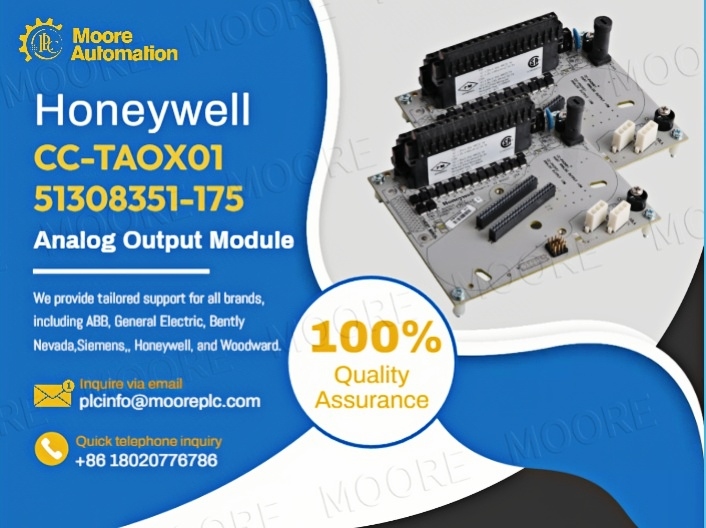
  • How Honeywell Enhances Process Control Reliability with the CC-TAOX01 51308351-175 Analog Output Module
    How Honeywell Enhances Process Control Reliability with the CC-TAOX01 51308351-175 Analog Output Module
    March 20, 2026

    Understanding the Role of Analog Output Modules in Modern DCS Systems In industrial automation, control systems rely on accurate signal delivery to ensure equipment responds correctly to operational commands. The Honeywell CC-TAOX01 51308351-175 Analog Output Module converts controller instructions into stable 4–20 mA signals that can drive various field instruments. This function is essential for maintaining smooth communication between the central control system and process equipment. From a plant operator’s perspective, dependable DCS spare parts are necessary to keep production lines running efficiently. An analog output module with multiple channels can support different control points at the same time, helping engineers manage several devices without increasing system complexity. With 16 output channels and a load capacity of up to 800 ohms, this module offers practical flexibility for process control tasks. Why the Honeywell CC-TAOX01 Module Matters for Process Stability Reliable output performance is crucial in environments where automation systems operate continuously. The CC-TAOX01 module supports a maximum compliant voltage of 16 V and an open circuit voltage of 22 V, helping maintain consistent signal levels for connected field devices. Stable electrical performance allows the control system to regulate operations accurately. For organizations searching for Distributed Control System replacement parts, maintaining compatibility with the original system architecture is often a major concern. The Honeywell CC-TAOX01 is designed to integrate directly with existing Honeywell control platforms, enabling straightforward replacement without requiring extensive configuration changes. How the CC-TAOX01 Supports Efficient System Maintenance In many industrial plants, quick maintenance response is essential to avoid long production interruptions. Keeping reliable DCS spare parts available allows technicians to replace malfunctioning components promptly. The CC-TAOX01 module is built for simple installation, making it easier for maintenance teams to restore control system functionality. Working with an experienced DCS module supplier also helps companies streamline their spare parts management. Suppliers specializing in automation components can provide tested modules and technical support, ensuring customers receive suitable products for their control systems while reducing maintenance uncertainty. Which Features Make the CC-TAOX01 a Practical Replacement Choice When evaluating Distributed Control System replacement parts, engineers often consider channel capacity, durability, and signal reliability. The CC-TAOX01 includes sixteen analog output channels, enabling multiple process signals to be handled by a single module. This design can reduce hardware requirements and simplify the control cabinet layout. Another advantage is the use of the widely accepted 4–20 mA signal standard. This format ensures compatibility with many types of industrial i...

    Read More
1 2 3 ... 33
A total of  33  pages

News & Blogs

  • How Honeywell FC-TSFIRE-1624 Field Termination Assembly Module Simplifies DCS Spare Parts Replacement Strategy 09/05

    2026

    How Honeywell FC-TSFIRE-1624 Field Termination Assembly Module Simplifies DCS Spare Parts Replacement Strategy
    Overview of FC-TSFIRE-1624 in Honeywell DCS Ecosystem The Honeywell FC-TSFIRE-1624 Field Termination Assembly Module is designed to support structured signal interfacing within industrial automation architectures. From a customer perspective, it is often evaluated as part of a broader DCS spare parts strategy, where consistent connectivity and organized field wiring are essential for stable system maintenance planning. In a typical Honeywell distributed control environment, this module is positioned as a bridge between field instrumentation and control system I/O layers. It helps operators standardize wiring layouts, which is particularly valuable when managing legacy upgrades or maintaining Distributed Control System replacement parts inventories across multiple plant sites. Role in Distributed Control System Replacement Parts Planning For plant engineers and procurement teams, long-term availability of Distributed Control System replacement parts is a critical concern. The FC-TSFIRE-1624 supports structured replacement planning by providing a repeatable termination architecture that simplifies module interchangeability during maintenance cycles. Instead of redesigning field connections during every upgrade, customers can align this assembly with existing Honeywell DCS configurations. This reduces complexity in spare part classification and allows teams to forecast DCS spare parts requirements more accurately across shutdown schedules and lifecycle planning. Benefits from a System Integration Perspective From a system integration standpoint, the FC-TSFIRE-1624 helps unify field signal organization within distributed automation projects. Engineering teams often prioritize reducing wiring ambiguity, especially in large-scale process facilities where multiple subsystems interact. By standardizing termination points, the module supports cleaner documentation and easier fault isolation during maintenance. This becomes especially useful for customers working with a DCS module supplier, as it allows consistent part mapping and simplifies coordination between procurement and engineering departments without redesigning existing control logic structures. Sourcing from a Reliable DCS Module Supplier Selecting a dependable DCS module supplier is an important part of lifecycle asset management. The FC-TSFIRE-1624 is typically sourced through authorized industrial automation channels that specialize in Honeywell ecosystems, ensuring compatibility with existing Distributed Control System frameworks. Customers often prioritize suppliers that can support both active installations and legacy system extensions. This ensures that DCS spare parts like termination assemblies remain available throughout system expansion phases, reducing delays in maintenance planning and helping maintain consistent inventory management practices. Integration Considerations in Field Termination Architecture When integrating the FC-TSFIRE-1624 into an existing control environment, engin...
    All News
  • How Does GE IC693CPU374 CPU Module Support Industrial Spare Parts Management Optimization? 30/04

    2026

    How Does GE IC693CPU374 CPU Module Support Industrial Spare Parts Management Optimization?
    Understanding the GE IC693CPU374 CPU Module The GE IC693CPU374 CPU Module is developed to meet the needs of structured industrial automation systems. It operates with a 133 MHz processor and offers 240KB of user memory, allowing users to handle control programs and data organization across multiple production stages. From a user standpoint, this module supports clear system coordination and simplifies integration into existing setups. With over 2,000 timers and counters, it enables precise sequencing, helping businesses manage different industrial automation parts within complex workflows. Why Efficiency Matters in Industrial Automation Parts In industrial environments, coordination between industrial automation parts directly impacts production flow. The GE IC693CPU374 CPU Module requires 7.4 watts at 5VDC, helping users plan energy usage within their systems. As production requirements increase, many companies look for solutions that allow system expansion without major redesign. This module supports higher workload handling, making it easier for customers to improve process efficiency while keeping current system structures. Improving Spare Parts Management Efficiency Spare parts management is essential for maintaining smooth operations and reducing downtime risks. The GE IC693CPU374 CPU Module helps standardize important components within industrial spare parts inventories, making purchasing and storage more straightforward. By including this module in spare parts planning, businesses can simplify replacement processes and reduce the number of different components they need to manage. This contributes to more organized industrial spare parts handling and better inventory visibility. System Flexibility and Integration The GE IC693CPU374 CPU Module can support up to 8 baseplates within a single system, allowing users to design configurations that match their operational needs. This makes it easier to adjust system layouts as production demands evolve. For companies working with various industrial automation parts, this flexibility reduces system complexity and supports consistent configurations across multiple production lines, improving overall coordination. Optimizing Cost and Resource Allocation Controlling costs is a key concern when managing industrial spare parts. The GE IC693CPU374 CPU Module supports better planning by combining processing capability with controlled power usage. When integrated into spare parts management strategies, it helps businesses maintain balanced inventory levels and avoid excess stock. This approach allows for more efficient allocation of resources while supporting continuous system operation. Application Areas Municipal engineering: Water supply pumping stations, sewage treatment systems, auxiliary equipment for urban rail transit. Energy and power: Control of power generation units in power plants, monitoring of substations, control of waste heat boilers. Petrochemicals: Monitoring of oil pipelines in refiner...
    All News
  • How ABB Enhances Reliability with the GJR2396200R1210 83SR51R1210 Control Module in Modern Industrial Systems 24/04

    2026

    How ABB Enhances Reliability with the GJR2396200R1210 83SR51R1210 Control Module in Modern Industrial Systems
    Understanding the Core Value of the ABB Control Module From an end-user standpoint, system dependability is critical to maintaining uninterrupted production. The ABB GJR2396200R1210 83SR51R1210 Control Module addresses this need with a practical and efficient design. Featuring 12 input channels and 2 output channels, it enables accurate signal acquisition and control without adding unnecessary system complexity. Another advantage is its minimal power consumption of only 5 W, which helps reduce energy usage over time. For customers sourcing DCS spare parts or optimizing turbine monitoring solutions, this module offers stable performance and dependable signal processing, making it a reliable addition to modern automation systems. Why Technical Specifications Matter in Real-World Applications In real industrial environments, choosing the right components goes beyond basic compatibility. As part of Distributed Control System replacement parts, the ABB 83SR51R1210 provides 500 V DC isolation, helping protect systems from electrical interference and ensuring accurate data transmission. The module also supports operation in temperatures ranging from –20 °C to +60 °C, allowing it to function reliably across different working conditions. Its extended storage range of –40 °C to +85 °C adds flexibility for inventory management. For buyers working with a DCS module supplier, these specifications translate into reduced risk and improved long-term stability. Where This Module Fits in Turbine Supervisory Systems In turbine supervisory instrumentation components, compatibility and durability are often key concerns. This ABB control module integrates efficiently into existing systems, making it suitable for both retrofitting older setups and implementing new configurations. Its design supports applications such as vibration analysis, process monitoring, and auxiliary protection systems. By including this unit in DCS spare parts planning, operators can minimize unexpected downtime and ensure faster maintenance response, which is essential in high-demand industrial environments. When to Choose ABB 83SR51R1210 for Your System Upgrade Upgrading control systems at the right time can significantly improve operational performance. This module becomes a strong candidate when existing components show signs of instability or when maintenance costs begin to rise. Its ability to handle humidity levels from 5% to 95% (non-condensing) ensures consistent operation even in challenging conditions. For industries that run continuously, such as energy production or process manufacturing, introducing reliable Distributed Control System replacement parts like this ABB module can enhance system resilience and reduce unplanned interruptions. How This Module Supports Cost-Effective Maintenance Strategies Cost control remains a major concern for most facilities. The ABB 83SR51R1210 helps address this by combining durability with low energy requirements. Its long service life reduces the ...
    All News
  • Why and How Does Honeywell CC-PAOH01 51405039-175 Analog Output Module Strengthen DCS Spare Parts Strategy and Industrial Reliability? 16/04

    2026

    Why and How Does Honeywell CC-PAOH01 51405039-175 Analog Output Module Strengthen DCS Spare Parts Strategy and Industrial Reliability?
    Understanding the Role of CC-PAOH01 in Modern DCS Environments From a customer’s perspective, the Honeywell CC-PAOH01 51405039-175 Analog Output Module is not just a hardware component—it is a critical execution point within a Distributed Control System (DCS). In many industrial plants, stable analog output determines whether field actuators respond accurately to process demands. When operators evaluate DCS spare parts, this module often becomes a priority due to its direct impact on process continuity. For facilities relying on aging infrastructure, securing reliable Distributed Control System replacement parts is a strategic decision rather than a simple maintenance task. The CC-PAOH01 provides 16-channel 4–20 mA output capability, enabling scalable control across multiple loops while reducing downtime risks associated with legacy system failure. Technical Strength Behind Stable 4–20 mA Output Performance The CC-PAOH01 module is designed around industry-standard 4–20 mA output, ensuring compatibility with a wide range of industrial actuators and instrumentation. Its ability to support 16 output channels makes it suitable for medium to large-scale process automation environments where output density matters. From a technical standpoint, features like <100 mV ripple, ±0.35% calibrated accuracy at 25°C, and low temperature drift (0.005% FS/°C) contribute to stable field performance. These parameters reduce signal noise and improve process predictability, especially in high-precision operations. For engineers sourcing from a DCS module supplier, such stability directly translates into fewer calibration cycles and lower long-term maintenance cost, which is critical for industries operating 24/7. Reliability, Drift Control, and Lifecycle Maintenance Value In real-world plant operations, reliability is often more important than peak performance. The CC-PAOH01 module is engineered to minimize output deviation over time, ensuring that process control remains consistent even under thermal and electrical stress conditions. Customers managing DCS spare parts inventories often prioritize modules with predictable drift behavior and strong readback diagnostics. With a ±4% full-scale readback accuracy, operators can detect anomalies early and prevent system-wide disruptions. This reliability reduces emergency shutdown risks and supports long-term lifecycle maintenance planning. For aging systems, maintaining a stock of Distributed Control System replacement parts like this module ensures operational resilience and reduces dependency on last-minute procurement. Integration into Existing DCS Architectures and Replacement Strategy The CC-PAOH01 module is designed for seamless integration into Honeywell-based control architectures, making it a preferred choice when upgrading or replacing legacy output modules. Its compatibility ensures minimal configuration changes during system refurbishment. From a procurement standpoint, companies often rely on a qualified D...
    All News
  • When Is the Right Time to Replace TSI Industrial Automation Spare Parts in Plant Operations? 08/05

    2026

    When Is the Right Time to Replace TSI Industrial Automation Spare Parts in Plant Operations?
    Understanding the Right Timing for Replacing TSI Spare Parts in Industrial Plants For most plant operators, the biggest challenge is not whether TSI spare parts will eventually wear out, but when they should be replaced without disrupting production. From a customer’s perspective, the goal is simple: avoid unplanned downtime while keeping asset performance stable. In real operations, waiting for a complete failure is rarely a cost-effective strategy, especially for critical Turbine Supervisory Instrumentation components. Many plants now rely on condition-based maintenance and digital monitoring of TSI modules to identify early warning signs. Instead of following a fixed replacement schedule, operators increasingly focus on performance trends such as signal drift, unstable readings, or intermittent communication errors. These subtle indicators often signal that replacement should be planned rather than delayed. Common Failure Indicators in Turbine Supervisory Instrumentation Components In industrial environments, Turbine Supervisory Instrumentation components play a critical role in ensuring turbine safety and efficiency. However, these systems often degrade gradually, making early detection essential. Customers frequently report issues such as inconsistent vibration readings, temperature inaccuracies, or alarm delays as early warning signs. From a maintenance perspective, these symptoms should never be ignored. In modern facilities, engineers also track degradation patterns in TSI modules through diagnostic tools integrated into control systems. When performance deviation becomes consistent, it is often more economical to replace TSI spare parts rather than recalibrate repeatedly. This approach reduces operational risk and improves long-term reliability. Operational Risks of Delayed Replacement in Critical Systems Delaying replacement of aging components can significantly increase operational risk, especially in high-load turbine environments. A failing sensor or module can lead to incorrect supervisory data, which directly impacts safety decisions and plant efficiency. In some cases, even a minor delay can escalate into unplanned shutdowns or expensive repairs. For example, systems using GE UR7KH protection and monitoring modules rely heavily on accurate input from surrounding instrumentation. If connected TSI modules begin to degrade, the entire protective logic chain may become less responsive. From a customer standpoint, the cost of unexpected downtime often far exceeds the investment in proactive replacement of TSI spare parts, making timely action a critical business decision. Evaluating Lifecycle Strategy for TSI Modules and Plant Assets A well-structured lifecycle strategy helps plant operators avoid reactive maintenance. Instead of focusing only on failures, many facilities now analyze usage cycles, environmental conditions, and historical performance of TSI modules. This allows maintenance teams to forecast when replacement should occur...
    All Blogs
  • Why are global plants accelerating upgrades to HIMA safety automation spare parts? 28/04

    2026

    Why are global plants accelerating upgrades to HIMA safety automation spare parts?
    Aging assets pushing safety systems closer to operational limits Across many process industries, existing automation systems are reaching or exceeding their intended service life. From an operator’s perspective, the concern is no longer only maintenance cost, but the increasing probability of unexpected downtime or safety loop instability. Even minor performance deviations can lead to costly interruptions in continuous production. This situation is driving more attention toward DCS spare parts planning at the plant level. Instead of handling failures when they occur, engineering teams are building structured replacement schedules. The objective is to secure long-term reliability and reduce unplanned shutdown risks in critical operations. Obsolescence challenges in legacy control environments One of the key issues plant engineers face today is hardware obsolescence. As automation platforms age, sourcing compatible components becomes more difficult, and delivery times are often unpredictable. This creates pressure on maintenance teams who must balance uptime requirements with limited spare availability. To manage this risk, many operators are adopting a lifecycle-based approach using Distributed Control System replacement parts. Rather than replacing individual failed items in isolation, they are aligning spare strategies with system-wide upgrades. This helps reduce compatibility issues and improves maintenance predictability during scheduled outages. Preference for HIMA systems in safety-critical modernization projects In safety automation upgrades, many end users continue to rely on HIMA due to its established track record in high-integrity applications. From a customer standpoint, the key advantage is system stability combined with long-term upgrade flexibility. Platforms such as HIMA HIMAX are often selected as part of phased modernization projects. Instead of replacing entire control architectures, plants upgrade selected layers while maintaining overall system structure. This minimizes engineering disruption while still improving diagnostics, reliability, and safety performance in critical processes. Selecting the right modules for stable system performance Spare part selection is a critical factor in ensuring uninterrupted operation of safety systems. Engineers typically evaluate compatibility, redundancy behavior, and long-term support availability before finalizing replacement components. Commonly used modules such as HIMAX X-AO1601, HIMAX X-DI3201, and HIMAX X-CPU01 are often chosen for upgrade consistency. These components help maintain system alignment while simplifying integration work. For maintenance teams, standardization also reduces configuration effort and improves troubleshooting efficiency during plant turnaround periods. Supply reliability and the role of trusted sourcing channels Global supply chain instability has made procurement planning more complex for industrial operators. Delays in receiving critical automation compone...
    All Blogs
  • How Digitalization Is Transforming PLC Spare Parts Management 22/04

    2026

    How Digitalization Is Transforming PLC Spare Parts Management
    The Growing Challenge of Managing Industrial Spare Parts Running a modern production facility means dealing with constant pressure. The old ways of handling industrial spare parts no longer work—unexpected machine stops, long shipping waits, and poor team coordination create daily headaches. These issues drain budgets and push deadlines back. Too many shops still rely on paper logs or basic spreadsheets, leaving them stuck in a reactive mode. Without solid forecasting, they either hoard too much stock or face desperate shortages when a key part is needed. Why Digitalization Matters in Spare Parts Management Bringing digital tools into spare parts management changes the game by shifting decisions from guesswork to real data. Connected platforms let firms track part usage, monitor how components hold up, and set up automatic reorder points. For the customer, this means far fewer unexpected events and a much clearer maintenance schedule. Digital methods help stretch the life of industrial automation parts, so teams can fix issues before a breakdown stops the line. Real-Time Inventory Visibility and Control Knowing your inventory down to the minute gives any operation a serious edge. Modern digital dashboards offer live tracking of industrial spare parts, showing exactly what is on the shelf and which bin it sits in. This speed makes emergency response much smoother. For example, when a critical SIEMENS 6SL3055-0AA00-4CA5 fails, the team can instantly spot a replacement and get production rolling again. Good visibility also keeps different shifts and warehouses on the same page. Smart Procurement and Supplier Integration Buying parts has gotten smarter thanks to digital links between buyers and sellers. These systems simplify how companies source industrial automation parts and remove a lot of old paperwork. With a connected platform, ordering something like 6SL3320-1TE33-1AA3 takes just a few clicks. These tools also shine a light on real pricing, honest delivery dates, and which suppliers actually deliver on time, helping buyers avoid bad deals and unexpected delays. Predictive Maintenance and Reduced Downtime One of the strongest gains from going digital is catching equipment trouble before it stops work. Smart sensors and analysis software spot small warning signs in industrial spare parts long before a crash happens. Take a drive like 6SL3210-1PE31-8UL0—tracking its temperature and vibration lets a crew swap it during a planned stop, not at 2 AM on a Sunday. This forward-looking method kills surprise breakdowns, keeps output high, and trims repair bills over time. Building a Future-Ready Spare Parts Strategy Staying ahead means rethinking how you handle spare parts management from the ground up. Rolling out digital systems, cleaning up messy workflows, and teaching staff new skills are all must-dos. From the customer’s chair, the goal stays simple: get reliability, cut downtime, and hold the line on costs. By putting digital technology to work, ...
    All Blogs
  • What’s New in Honeywell Automation Spare Parts for Smart Factories? 14/04

    2026

    What’s New in Honeywell Automation Spare Parts for Smart Factories?
    The Rising Demand for Reliable Automation Spare Parts Modern factories are built around continuous operation, where interruptions can quickly affect output and customer commitments. From the buyer’s perspective, securing stable and high-performing DCS spare parts is a direct way to safeguard production and reduce unexpected downtime. In parallel, procurement teams are paying closer attention to the quality of Distributed Control System replacement parts. Instead of focusing only on price, more businesses now prioritize long-term usability, system fit, and fast replacement cycles to keep operations steady. What’s New in Honeywell Automation Spare Parts Honeywell is evolving its spare parts offerings to better align with digital manufacturing needs. Newer components are designed to operate more reliably under continuous workloads while offering improved integration with existing automation platforms. For end users, these updates mean greater operational confidence and less reliance on emergency maintenance. Enhanced diagnostics also allow earlier detection of performance issues, helping teams act before failures impact production. Key Models Supporting Smart Factory Operations In practical applications, proven models remain essential for maintaining system consistency. Honeywell CC-PAIH02 51405038-376 and CC-PAOH01 51405039-175 are commonly deployed in environments that demand accurate control and stable performance. The DWR06 model is also frequently used to support dependable system functionality. To ensure these components perform as expected, many companies choose to work with a qualified DCS module supplier. This approach reduces the likelihood of counterfeit or incompatible parts entering the system and helps maintain smooth integration. How Spare Parts Improve Operational Efficiency Using reliable DCS spare parts can make a noticeable difference in daily operations. Stable components help maintain consistent signal processing and reduce the chances of system interruptions, allowing production lines to run more efficiently. Additionally, investing in durable Distributed Control System replacement parts can lower overall maintenance pressure. With fewer unexpected failures, businesses can shift toward planned servicing, which is typically more cost-effective and less disruptive. Choosing the Right DCS Module Supplier Partnering with the right DCS module supplier plays a critical role in long-term system performance. Customers should evaluate suppliers based on product authenticity, response speed, and their ability to provide ongoing support. A reliable supplier does more than deliver parts—they help ensure correct selection and smooth implementation. This reduces operational risks and supports consistent performance across the entire automation system. Future Trends in Automation Spare Parts Automation spare parts are becoming more aligned with intelligent manufacturing systems. With increasing use of connected technologies, components are ex...
    All Blogs
leave a message
If you are interested in our products and want to know more details,please leave a message here,we will reply you as soon as we can.
submit

Our hours

Mon 11/21 - Wed 11/23: 9 AM - 8 PM
Thu 11/24: closed - Happy Thanksgiving!
Fri 11/25: 8 AM - 10 PM
Sat 11/26 - Sun 11/27: 10 AM - 9 PM
(all hours are Eastern Time)
Contact Us:+86 18030235313

Home

Products

whatsApp

Contact Us