CompactLogix Communication Modules

News

  • Woodward 8440-2052 easYgen-3200 Genset Controllers
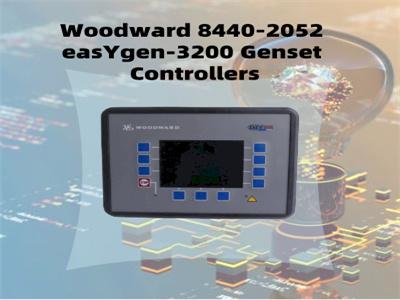
    Woodward 8440-2052 easYgen-3200 Genset Controllers
    September 09, 2024

    The easYgen-3200 is available in various configurations, including the 8440-2052 model and CONTROL-EASYGEN-3200-5/P2, and offers an advanced solution for engine-generator control and protection, with cutting-edge peer-to-peer paralleling features in an intuitive, highly durable package. Features & Functionality Woodward's easYgen-3200™ Series paralleling genset controllers offer exceptional versatility and value for OEM switchgear manufacturers, generator packagers, and system integrators. These controllers integrate comprehensive engine-generator control and protection with advanced peer-to-peer paralleling capabilities, all within a robust, user-friendly design. The easYgen-3200 features LogicsManager™ programmable logic, providing unparalleled application flexibility, which often eliminates the need for additional PLC control. However, it can seamlessly integrate with SCADA or PLC-based control systems when needed. The easYgen-3200 is an ideal solution for standardizing genset control across various distributed power generation applications, from stand-alone emergency backup systems to parallel load sharing of up to 32 gensets in complex, segmented distribution systems with multiple utility feeds and tie breakers. Applications: Emergency standby: data centers, hospitals, commercial and industrial facilities Distributed Generation (DG): utility-dispatchable power for peak demand response Islanded prime-power: oil & gas exploration, marine applications, remote villages, rental/mobile units Microgrid: military, government, net-zero communities, universities Utility paralleling: peak shaving, demand curtailment Cogeneration (CHP): wastewater treatment, biogas production/containment Switchgear upgrades: retrofitting generator control for load sharing and paralleling Key Features: True RMS voltage and current sensing (generator, bus, and mains) to minimize harmonic susceptibility CAN network communication/control with engine ECU (supports standard SAE-J1939 protocol and several proprietary engine OEM protocols) Serial Modbus RTU (slave) communication for SCADA annunciation and external control Configuration via PC/laptop using the Woodward ToolKit service tool Connectivity with the RP-3200 Remote Panel for full annunciation, control, and configuration over CANopen protocol at up to 250 meters Compliance agency/marine approvals: CE, UL/cUL, CSA, BDEW, ABS, Lloyd’s Register (*additional marine approvals available in marine package) Automatic mains failure (AMF) detection, decoupling, and emergency run with dead bus close Automatic synchronization with phase-match, positive/negative slip-frequency, and run-up (dead field) paralleling Circuit breaker close/open control: GCB only, GCB and MCB (ATS function), or external (no control) Proportional load sharing (isochronous or droop) of up to 32 gensets, regardless of size Base loading, import/export control, and asymmetrical loading through external base load input Automatic load-dependent start/st...

    Read More
  •  GE Fanuc  IC698CHS017 Rx7i 17-Slot Rear Mount Rack
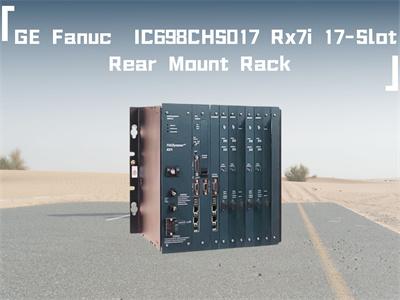
    GE Fanuc IC698CHS017 Rx7i 17-Slot Rear Mount Rack
    August 30, 2024

    Product Description The IC698CHS017 is a 17-slot rack designed for front and rear mounting, capable of supporting Series 90-70, VME, and RX7i modules. The module connectors on the rack backplane are spaced 0.8 inches (20.3 mm) apart, accommodating both single-width and double-width modules. Slot 0 of the rack is dedicated to the power supply, while slot 1 is designated for the CPU. The remaining slots can host a variety of modules, allowing for flexible configurations. The IC698CHS017 is classified as an “open equipment” rack and must be installed within an enclosure with at least an IP54 protection rating. The rack dimensions are 11.15 inches in height (283 mm), 19 inches in width (483 mm), and 7.5 inches in depth (190 mm). Additionally, a clearance of 9 inches (23 cm) is required to install a cooling fan between racks. Note that a cooling fan is necessary when certain modules are installed, and each fan is tailored for a specific power source. This rack does not require jumpers or DIP switches for addressing modules; instead, it features slot sensing for I/O modules. Input/output module point referencing is managed using CIMPLICITY Machine Edition Logic Developer-PLC software. The rack supports automatic daisy chaining of interrupt acknowledge signals and bus grant signals. The IC698CHS017 is compatible with RX7i AC power supplies and is capable of handling higher currents. J2 connectors on the rack backplane allow for 64-bit per cycle VME transfer speeds. For grounding, RX7i and Series 90-70 modules have different requirements. RX7i modules require the metal faceplates to be securely attached to the enclosure, while Series 90-70 modules use a built-in ground clip that contacts the enclosure upon installation. To properly ground the rack, use an AWG #12 (3.33 mm²) wire along with a nut and star washer to connect the side-mounted ground studs to the earth ground. Technical Specifications Module Type: Standard Rack Mounting Location: Rear Number of Slots: 15 Single Width, 8 Double Width Rack Slot Size: 0.8 inches Dimensions: 11.15 x 19.0 x 7.5 inches (H x W x D) Power Supply: RX7i Power Supply in Slot 0 Features Provides slot sensing for rack-type I/O modules Dimensions: 11.15 inches (H) x 19 inches (W) x 7.5 inches (D) Number of Slots: Slot 0: Power supply slot, 2.4 inches wide Slot 1: CPU installation slot Slots 2 through 17: 0.8 inches wide for various modules Maximum Current (from RX7i Power Supplies) 100W Power Supply: +5V: 20 Amps +12V: 2 Amps -12V: 1 Amp 350W Power Supply: +5V: 60 Amps +12V: 12 Amps -12V: 4 Amps I/O references are user-configurable using programming/configuration software. The IC698CHS017 is a versatile and robust rack solution, ideal for supporting a wide range of industrial automation needs.

    Read More
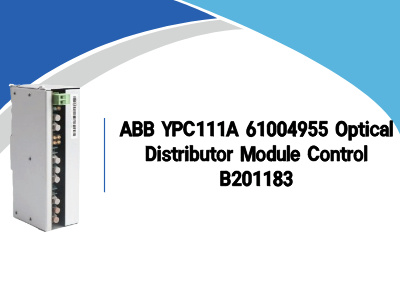
  • ABB YPC111A 61004955 Optical Distributor Module Control B201183
    ABB YPC111A 61004955 Optical Distributor Module Control B201183
    August 29, 2024

    Overview Optical distribution modules are designed for the purpose of optic fiber organization, storage and fiber optic fusion protection within optical cable distribution frame, patch panels, optical cable outdoor cabinets etc. Features ABS material Light and beautiful plastic structure Space saving RoHS compliant Ensuring minimum fiber bending radius Double layer structure Multi functions: optical fusion, storage and distribution Suitable for both ribbon fiber and bundle fiber Connecting the DDCTool board to multiple DDCs In the case of only one DDC, a direct connection between the DDCTool board and the DDC is sufficient.  If there are several DDCs and only one PC, YPC111A optical distributors can be used between the DDCTool board and the DDCs. YPC111A has one connection for the DDCTool board and four connections for the DDCs or lower level optical distributors. When using the YPC111A board and plastic fibre cable, the maximum length between the boards is 20 metres.  If the lengths between the DDCTool boards are over 20 metres the YPC115A board and glass fibre cable should be used. The maximum length in this case is 1000 metres. Optical distributors can be connected to a tree or chain form. The height of the tree / length of the chain depends on the number of DDCs in the system (max number of DDCs is 249).  Optical distributors use +24 V auxiliary power Optical Distributor Product parameters Chain form of the YPC111A optical distributor. When using plastic fibre cable the maximum length is 20 metres.Please refer to the following diagram Tree form of the YPC111A optical distributor. When using plastic fibre cable the maximum length is 20 metres.Please refer to the following diagram Summary Overview Optical distribution modules, like the YPC111A, organize and protect fiber connections within various setups and allow for flexible configurations (tree or chain forms) to connect multiple DDCs with specific length and power requirements.

    Read More
  • BENTLY NEVADA 3500/50M 286566-02 Tachometer Module
    BENTLY NEVADA 3500/50M 286566-02 Tachometer Module
    August 28, 2024

    The Bently Nevada 286566-02 is a versatile portable data collection card and monitoring module designed for industrial applications. Here are the key technical specifications: Input Voltage: 24V DC Operating Temperature: -40°C to 70°C Number of Digital Inputs: 16 Number of Digital Outputs: 8 Communication Protocols: Modbus, Ethernet Dimensions: 2.6 cm x 25.8 cm x 24 cm (W x H x D) Weight: 0.8 kg Features: Suitable Environments: Pumps, fans, compressors, and other mechanical equipment requiring speed monitoring Design: Dual-channel design allows simultaneous monitoring of speed signals from two sources Speed Measurement Method: Utilizes a magnetic probe to measure speed by monitoring frequency changes in the speed signal Accuracy: High accuracy with an error range of ±0.1% Add information The 3500/50M Tachometer Module is a 2-channel module that accepts input from proximity probes or magnetic pickups to determine shaft rotative speed, rotor acceleration, or rotor direction. The module compares these measurements against user-programmable alarm setpoints and generates alarms when the setpoints are violated. The Tachometer Module is programmed using the 3500 Rack Configuration software. The following configuration options are available: Speed Monitoring, Setpoint Alarming and Speed Band Alarming Speed Monitoring, Setpoint Alarming and Zero Speed Notification Speed Monitoring, Setpoint Alarming and Rotor Acceleration Alarming Speed Monitoring, Setpoint Alarming and Reverse Rotation Notification The 3500/50M Tachometer Module can be configured to supply conditioned Keyphasor signals to the backplane of the 3500 rack for use by other monitors. Therefore, you don't need a separate Keyphasor module in the rack. The 3500/50M Tachometer Module has a peak hold feature that stores the highest speed, the highest reverse speed, or the number of reverse rotations that the machine has reached. You can reset the peak values Other models 330130-040-02-CN Extension Cable 990-10-XX-01-00 MOD: 165353-01 Vibration Transmitter 330104-00-08-05-02-00 Proximity Probes 330104-00-15-10-01-CN Proximity Probes 330104-15-23-10-02-00 Proximity Probes 330130-040-00-00 Extension Cable 125840-01 AC Power Input Module 22811-01-06-10-02 Proximity Sensor 330103-06-25-10-02-00 Proximity Probes 330101-24-35-10-02-00 Proximity Transduce 330703-000-060-10-02-00 Proximity Probes 330180-X1-CN MOD:145193-09 Proximity Sensor 330102-03-20-10-02-05 Proximity Probes 330101-XX-XX-10-02-05 Proximity Transducer 102244-22-50-01 SERIES VIBRATION TRANSMITTER 330100-90-05 Proximitor Sensor 330104-06-12-10-02-00 Proximity Probes 330173-00-18-10-02-05 Proximity Probes 330101-37-57-10-02-05 Proximity Probes 149992-01 Channel Relay Module If you need more models,pls contact us without hesitation. Sales Manager E-mail WhatsApp Skype Tiffany plcsale@mooreplc.com 18030235313 dddemi33

    Read More
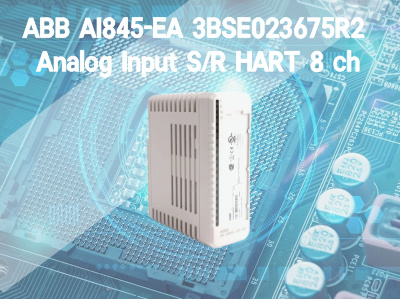
  • ABB AI845-EA 3BSE023675R2 Analog Input S/R HART 8 ch
    ABB AI845-EA 3BSE023675R2 Analog Input S/R HART 8 ch
    August 27, 2024

    ABB AI845-EA 3BSE023675R2 0(4)..20mA, 0(1)..5V, 12bit, single ended, 0.1%, Rated isol. 50V. Current limited transmitter power distribution. Advanced on-board diagnostics. Use Module Termination Unit TU810, TU812, TU814, TU818, TU830, TU833, TU835, TU838, TU844, TU845, TU854 General Information Product ID :3BSE023675R2 ABB Type Designation: AI845-EA Catalog Description : AI845-EA Analog Input S/R HART 8 ch Product Type:I-O_Module Product Net Weight:0.01 kg Additional Information Medium Description: AI845-EA Analog Input. Redundant or single 1x8ch. HART Technical Information:0(4)..20mA, 0(1)..5V, 12bit, single ended, 0.1%, Rated isol. 50V. Current limited transmitter power distribution. Advanced on-board diagnostics. | Use Module Termination Unit TU810, TU812, TU814, TU818, TU830, TU833, TU835, TU838, TU844, TU845, TU854 Technical Channel Type :AI Number of Input: 8 Channels Number of Output Channels : 0 Classifications WEEE Category: 5. Small Equipment (No External Dimension More Than 50 cm) Categories Control Systems → Compact Product Suite → I/Os → S800 I/O → S800 I/O 5.1 → I/O Modules Control Systems → Compact Product Suite → I/Os → S800 I/O → S800 I/O 6.0 → I/O Module Other popular models SD831 Power Supply Article number 3BSC610064R1 SD832 Power Supply Article number 3BSC610065R1 SD833 Power supply Article number 3BSC610066R1 SD834 Power Supply Article number 3BSC610067R1 SS832 Power Voting Unit Article number 3BSC610068R1 PM851AK01 Processor Module Article number 3BSE066485R1 PM856AK01 AC 800M Processor Module Article number 3BSE066490R1 PM858K01 AC 800M Controllers Article number 3BSE082895R1 PM858K02 Controller Uniter supply Article number 3BSE082896R1 PM860AK01 Processor Unit Article number 3BSE066495R1 PM862K01 Processor Unit Article number 3BSE076940R1 If you need more models,pls contact us without hesitation. Sales Manager E-mail WhatsApp Skype Tiffany plcsale@mooreplc.com 18030235313 dddemi33

    Read More
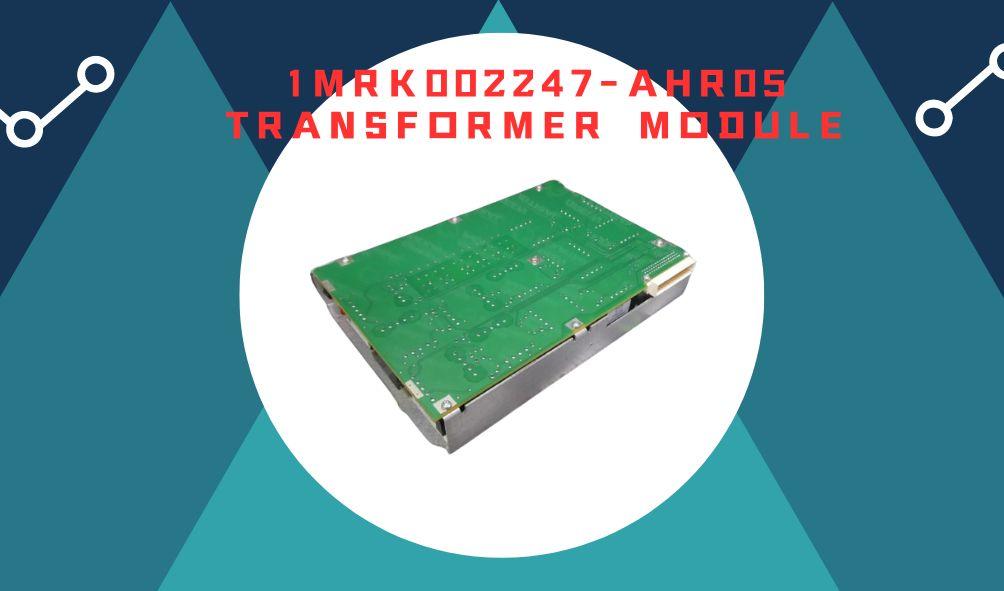
  • ABB 1MRK002247-AHR05 Transformer Module
    ABB 1MRK002247-AHR05 Transformer Module
    August 26, 2024

    The ABB 1MRK002247-AHR05 is a sophisticated industrial control module designed to deliver exceptional performance and reliability in automation systems. This module is engineered to provide precise control and comprehensive monitoring of a wide range of industrial processes, making it an integral component for optimizing and managing complex operations. At its core, the 1MRK002247-AHR05 excels in maintaining high precision in process control. It interfaces seamlessly with various sensors and actuators to regulate critical parameters such as temperature, pressure, and flow. This precision ensures that processes operate within desired ranges, enhancing overall system efficiency and stability The module is equipped with real-time data acquisition and processing capabilities, allowing it to continuously monitor industrial processes and provide immediate feedback. This real-time monitoring is crucial for maintaining smooth operations and quickly addressing any deviations or issues that arise. By enabling prompt adjustments, the 1MRK002247-AHR05 helps to ensure optimal performance and efficiency.Advanced communication interfaces are a key feature of this module. It supports various communication protocols, including serial ports and potentially Ethernet, facilitating seamless integration with other control systems and industrial networks. This robust communication infrastructure enhances data exchange and coordination across complex automation systems, ensuring that different components work together effectively An integrated alarm and notification system is another significant feature of the 1MRK002247-AHR05. This system is designed to alert operators to any faults, deviations, or operational issues, allowing for timely intervention and maintaining system safety. Primary Benefits 1.Enhanced Precision and Control The 1MRK002247-AHR05 provides high precision in controlling and monitoring industrial processes. 2.Real-Time Data Acquisition With its real-time data processing capabilities, the module continuously acquires and analyzes data from industrial processes. 3.Robust Durability The 1MRK002247-AHR05 is built to withstand harsh industrial environments. 4.User-Friendly Configuration and Setup Designed with intuitive configuration tools and interfaces, the module simplifies the setup and programming process. Other models SD831 Power Supply Article number 3BSC610064R1 SD832 Power Supply Article number 3BSC610065R1 SD833 Power supply Article number 3BSC610066R1 SD834 Power Supply Article number 3BSC610067R1 SS832 Power Voting Unit Article number 3BSC610068R1 PM851AK01 Processor Module Article number 3BSE066485R1 PM856AK01 AC 800M Processor Module Article number 3BSE066490R1 PM858K01 AC 800M Controllers Article number 3BSE082895R1 PM858K02 Controller Uniter supply Article number 3BSE082896R1 PM860AK01 Processor Unit Article number 3BSE066495R1 PM862K01 Processor Unit Article number 3BSE076940R1 If you need more models,pls contact us without hesitation. Sal...

    Read More
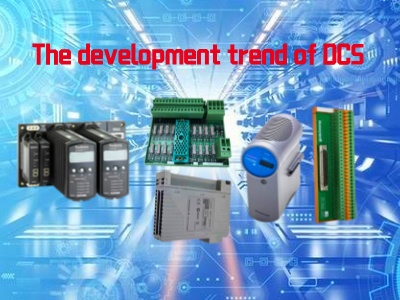
  • The development trend of DCS
    The development trend of DCS
    August 22, 2024

    The Distributed Control System (DCS) plays a crucial role in advancing industrial autonomy and adaptability, especially in the era of intelligent manufacturing. It is widely used across sectors such as power, petrochemical, chemical, wind power, and photovoltaic industries, presenting significant opportunities for domestic alternatives.  A DCS is a multi-tiered computer system that integrates computer technology, communication technology, CRT technology, and control technology. It features decentralized control, centralized operation, hierarchical management, and flexible configuration. As modern technologies like 5G, the Internet of Things (IoT), and big data evolve, DCS systems are moving towards greater diversification, networking, openness, and integration. This shift necessitates higher standards for the reliability, security, and openness of the fundamental computer hardware that supports DCS technology. MOORE Automation, a leading global brand in module and spare parts sales, leverages its advantage in providing "shutdown control system components" with extensive inventory to meet the diverse needs of DCS system applications. Information security in DCS systems is becoming increasingly critical. It involves two main aspects: ensuring the integrity of communication links and protecting against attacks such as viruses, external theft, and manipulation. With the widespread adoption of Ethernet in control systems, these concerns have gained more prominence. The development of integrated solutions is a notable trend in DCS systems. The distinction between DCS and PLC systems is increasingly blurred due to advancements in internet and information technologies. As the factory integration trend continues, manufacturers are enhancing their fourth-generation DCS products and extending their capabilities horizontally and vertically. This integration aims to unify control, instrumentation, and electrical control under a cohesive framework. Flexibility is becoming a key feature for mid-range market DCS systems, catering to the needs of small and medium-sized process production enterprises. As these businesses expand their investments. Manufacturers are responding by offering more user-friendly and adaptable DCS systems, enhancing both software and hardware flexibility. In the competitive DCS market, where new projects are declining and supplier competition intensifies, the service sector has emerged as a significant growth area. With decreasing prices due to intense competition, manufacturers are focusing on the existing installed base to drive upgrades, renovations, and value-added services. MOORE Automation offers a strategic advantage by sourcing equipment and spare parts from various international suppliers, providing notable cost benefits. The mid-range market and small to medium-sized users have become vital areas for DCS business growth. Industries related to daily needs, such as food and beverage, pharmaceuticals, and water treatment, are ...

    Read More
  • Let's create a short story about preparing for an anniversary celebration
    Let's create a short story about preparing for an anniversary celebration
    July 25, 2024

    Celebrating 20 Years of Moore Automation Limited Here's a glimpse of what we've achieved together: Delivered parts to over 169 countries Over 2.3 million parts sold globally Serve 65,000+ customers from our 6 facilities worldwide Rated excellent by 5,000+ customers Thank you to our incredible team, loyal customers and partners for your continued support and trust in Moore Automation Limited. Here's to many more years of success and collaboration Meanwhile, we also have bring promotion in whole month to supply our VIP client Welcome to join our party, you will get 

    Read More
1 ... 31 32 33
A total of  33  pages

News & Blogs

  • Why is ABB GJR2396200R1210 83SR51C-E Control Module a Key Choice for DCS Spare Parts in Modern Distributed Control System Replacement Parts Strategy? 19/05

    2026

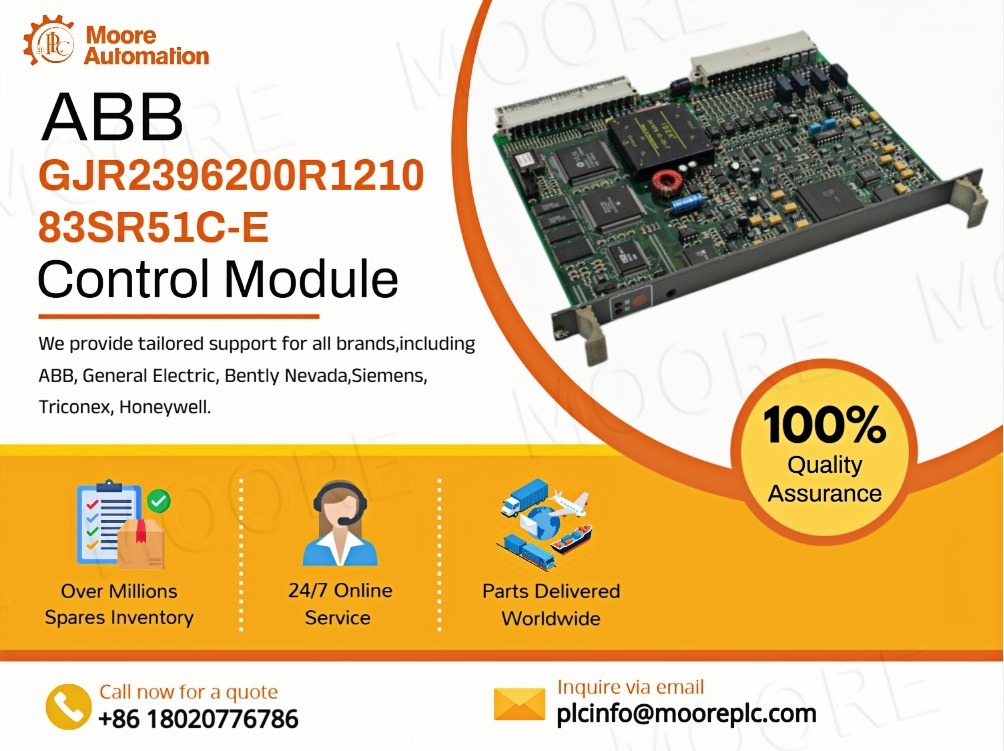
    Why is ABB GJR2396200R1210 83SR51C-E Control Module a Key Choice for DCS Spare Parts in Modern Distributed Control System Replacement Parts Strategy?
    ABB 83SR51C-E Module Overview from a Customer Perspective In industrial automation projects, system continuity often depends on how effectively replacement components are selected and integrated. The ABB GJR2396200R1210 83SR51C-E Control Module from ABB is commonly referenced in maintenance planning for Distributed Control System environments, especially when operators evaluate DCS spare parts and lifecycle extension strategies. From a user standpoint, this module is typically applied in configurations where mixed signal handling and compact I/O distribution are required. It supports AX|DX channel types and is positioned as part of a broader Distributed Control System replacement parts framework, helping engineers align legacy systems with current operational requirements without redesigning the full architecture. Technical Configuration and Channel Structure The ABB GJR2396200R1210 83SR51C-E Control Module is defined by a structured I/O arrangement that supports multiple signal categories within a single unit. It includes 12 input channels and 2 output channels, designed to handle mixed signal environments commonly found in industrial automation setups. Additionally, the module contains 4 digital inputs and 1 digital output, with a total configuration of 2 channels in the system architecture. This combination allows integration into existing Distributed Control System layouts where channel density and signal separation are important planning elements. For engineers sourcing DCS spare parts, this configuration simplifies mapping during system expansion or partial replacement tasks. Role in DCS Spare Parts and System Continuity Planning In many industrial sites, DCS spare parts management is not only about replacement but also about ensuring compatibility with installed infrastructures. The ABB GJR2396200R1210 83SR51C-E Control Module is frequently selected as part of Distributed Control System replacement parts inventories due to its structured I/O design. When integrated into maintenance cycles, it helps reduce the need for large-scale system redesign. Instead, operators can replace targeted modules while maintaining existing control logic. This approach is particularly relevant for plants managing long-term operational continuity strategies where DCS module supplier selection directly affects maintenance scheduling and system downtime planning. Sourcing Strategy from a DCS Module Supplier Selecting a dependable DCS module supplier is a critical factor in procurement decisions involving ABB control components. For the ABB GJR2396200R1210 83SR51C-E Control Module, supply chain consistency and part traceability are often prioritized by procurement teams. Suppliers specializing in Distributed Control System replacement parts typically maintain inventories that support legacy and current system architectures simultaneously. This allows customers to source ABB DCS spare parts in a more structured way, ensuring compatibility checks are completed befor...
    All News
  • Why Are More Industrial Buyers Choosing HIMA F8652X Central Module for DCS System Upgrades? 16/05

    2026

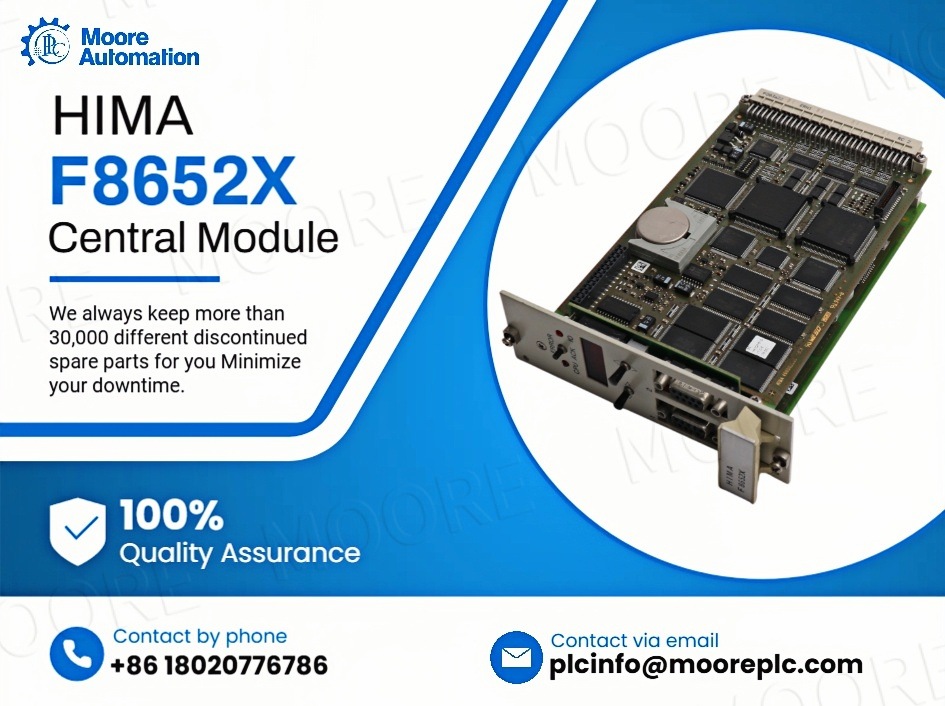
    Why Are More Industrial Buyers Choosing HIMA F8652X Central Module for DCS System Upgrades?
    The Growing Demand for HIMA Automation Solutions Industrial companies are facing increasing pressure to maintain stable production while dealing with aging automation systems. In many factories, outdated controllers and unavailable spare parts create unexpected delays during maintenance planning. The HIMA F8652X Central Module has become a practical choice for customers searching for compatible DCS spare parts and long-term automation support. For plant managers and procurement teams, the biggest concern is finding replacement modules that can work within existing control structures. Instead of rebuilding the entire automation platform, many facilities now prefer using Distributed Control System replacement parts to simplify modernization projects. This approach allows customers to continue operations while gradually updating important system components. At the same time, industrial users also expect faster spare part sourcing from a trusted DCS module supplier. Quick access to automation modules can help companies manage shutdown schedules more effectively and avoid unnecessary project delays. How Does the HIMA F8652X Help Customers Simplify System Maintenance? The HIMA F8652X Central Module is widely used in process automation environments where centralized communication between industrial equipment is required. Customers often select this module when replacing older control hardware in distributed automation systems. Many industrial operators are looking for practical ways to extend the lifecycle of existing installations. Instead of replacing the complete DCS platform, they prefer sourcing Distributed Control System replacement parts that fit current engineering layouts. This helps maintenance teams reduce integration complexity during scheduled plant upgrades. Another important issue for customers is spare part availability. Working with an experienced DCS module supplier can simplify procurement procedures and improve spare inventory planning. This becomes especially valuable for industries operating continuous production processes where maintenance windows are limited. Where Can the HIMA F8652X Central Module Be Applied? The HIMA F8652X Central Module is commonly installed in industrial sectors requiring stable control management and coordinated process communication. It is frequently integrated into control cabinets, safety systems, and distributed automation architectures. Oil refineries, power plants, and chemical production facilities often rely on DCS spare parts to support ongoing system maintenance projects. In many cases, customers choose phased upgrade strategies that combine existing infrastructure with newer automation modules. This helps engineering teams manage budgets while minimizing operational interruptions. In addition, multinational companies operating several production sites usually require support from a global DCS module supplier. Access to compatible Distributed Control System replacement parts across multiple locat...
    All News
  • How Honeywell FC-TSFIRE-1624 Field Termination Assembly Module Simplifies DCS Spare Parts Replacement Strategy 09/05

    2026

    How Honeywell FC-TSFIRE-1624 Field Termination Assembly Module Simplifies DCS Spare Parts Replacement Strategy
    Overview of FC-TSFIRE-1624 in Honeywell DCS Ecosystem The Honeywell FC-TSFIRE-1624 Field Termination Assembly Module is designed to support structured signal interfacing within industrial automation architectures. From a customer perspective, it is often evaluated as part of a broader DCS spare parts strategy, where consistent connectivity and organized field wiring are essential for stable system maintenance planning. In a typical Honeywell distributed control environment, this module is positioned as a bridge between field instrumentation and control system I/O layers. It helps operators standardize wiring layouts, which is particularly valuable when managing legacy upgrades or maintaining Distributed Control System replacement parts inventories across multiple plant sites. Role in Distributed Control System Replacement Parts Planning For plant engineers and procurement teams, long-term availability of Distributed Control System replacement parts is a critical concern. The FC-TSFIRE-1624 supports structured replacement planning by providing a repeatable termination architecture that simplifies module interchangeability during maintenance cycles. Instead of redesigning field connections during every upgrade, customers can align this assembly with existing Honeywell DCS configurations. This reduces complexity in spare part classification and allows teams to forecast DCS spare parts requirements more accurately across shutdown schedules and lifecycle planning. Benefits from a System Integration Perspective From a system integration standpoint, the FC-TSFIRE-1624 helps unify field signal organization within distributed automation projects. Engineering teams often prioritize reducing wiring ambiguity, especially in large-scale process facilities where multiple subsystems interact. By standardizing termination points, the module supports cleaner documentation and easier fault isolation during maintenance. This becomes especially useful for customers working with a DCS module supplier, as it allows consistent part mapping and simplifies coordination between procurement and engineering departments without redesigning existing control logic structures. Sourcing from a Reliable DCS Module Supplier Selecting a dependable DCS module supplier is an important part of lifecycle asset management. The FC-TSFIRE-1624 is typically sourced through authorized industrial automation channels that specialize in Honeywell ecosystems, ensuring compatibility with existing Distributed Control System frameworks. Customers often prioritize suppliers that can support both active installations and legacy system extensions. This ensures that DCS spare parts like termination assemblies remain available throughout system expansion phases, reducing delays in maintenance planning and helping maintain consistent inventory management practices. Integration Considerations in Field Termination Architecture When integrating the FC-TSFIRE-1624 into an existing control environment, engin...
    All News
  • How Does GE IC693CPU374 CPU Module Support Industrial Spare Parts Management Optimization? 30/04

    2026

    How Does GE IC693CPU374 CPU Module Support Industrial Spare Parts Management Optimization?
    Understanding the GE IC693CPU374 CPU Module The GE IC693CPU374 CPU Module is developed to meet the needs of structured industrial automation systems. It operates with a 133 MHz processor and offers 240KB of user memory, allowing users to handle control programs and data organization across multiple production stages. From a user standpoint, this module supports clear system coordination and simplifies integration into existing setups. With over 2,000 timers and counters, it enables precise sequencing, helping businesses manage different industrial automation parts within complex workflows. Why Efficiency Matters in Industrial Automation Parts In industrial environments, coordination between industrial automation parts directly impacts production flow. The GE IC693CPU374 CPU Module requires 7.4 watts at 5VDC, helping users plan energy usage within their systems. As production requirements increase, many companies look for solutions that allow system expansion without major redesign. This module supports higher workload handling, making it easier for customers to improve process efficiency while keeping current system structures. Improving Spare Parts Management Efficiency Spare parts management is essential for maintaining smooth operations and reducing downtime risks. The GE IC693CPU374 CPU Module helps standardize important components within industrial spare parts inventories, making purchasing and storage more straightforward. By including this module in spare parts planning, businesses can simplify replacement processes and reduce the number of different components they need to manage. This contributes to more organized industrial spare parts handling and better inventory visibility. System Flexibility and Integration The GE IC693CPU374 CPU Module can support up to 8 baseplates within a single system, allowing users to design configurations that match their operational needs. This makes it easier to adjust system layouts as production demands evolve. For companies working with various industrial automation parts, this flexibility reduces system complexity and supports consistent configurations across multiple production lines, improving overall coordination. Optimizing Cost and Resource Allocation Controlling costs is a key concern when managing industrial spare parts. The GE IC693CPU374 CPU Module supports better planning by combining processing capability with controlled power usage. When integrated into spare parts management strategies, it helps businesses maintain balanced inventory levels and avoid excess stock. This approach allows for more efficient allocation of resources while supporting continuous system operation. Application Areas Municipal engineering: Water supply pumping stations, sewage treatment systems, auxiliary equipment for urban rail transit. Energy and power: Control of power generation units in power plants, monitoring of substations, control of waste heat boilers. Petrochemicals: Monitoring of oil pipelines in refiner...
    All News
  • How Are Factories Reducing Downtime with Smart PLC Spare Parts Strategies? 20/05

    2026

    How Are Factories Reducing Downtime with Smart PLC Spare Parts Strategies?
    The Shift Toward Smarter Spare Parts Planning in Modern Plants Factories today are under pressure to keep production lines moving while dealing with tighter maintenance windows. From a customer’s point of view, the biggest challenge is not just equipment issues, but how quickly industrial spare parts can be identified, located, and replaced when needed. This is where spare parts management is becoming a strategic priority rather than a back-office task. Many operations teams are now using data-driven planning tools to map out industrial automation parts usage patterns, helping them avoid last-minute procurement delays. In some control system environments, components like GE IS200TDBTH2ACD are pre-assigned in digital inventories so replacement decisions can be made faster during shutdown windows. Why Inventory Visibility Is Now a Core Production Requirement From the customer perspective, a lack of real-time visibility often leads to overstocking or unexpected shortages. This is especially critical for PLC environments where a single missing module can interrupt an entire sequence. Modern factories are improving industrial spare parts tracking by integrating cloud-based dashboards with procurement systems. This allows maintenance teams to align spare usage with operational demand instead of reacting after failures occur. For example, units such as IS200TDBTH2A are often categorized under high-priority lists in industrial automation parts catalogs, ensuring they are not delayed in internal approval workflows. Search trends like “PLC spare parts availability” and “automation downtime reduction” reflect how buyers are actively looking for more structured inventory strategies rather than reactive purchasing. Building Faster Response Systems for Critical Automation Components In many production environments, downtime cost is not only financial but also affects delivery schedules. Customers are increasingly expecting suppliers and internal teams to provide faster response systems for critical PLC modules. This has led to more structured spare parts management models where parts are grouped by function, lead time, and usage frequency. Within this framework, engineers often prepare backup lists for key control system components such as IS200VCMIH2CAA/IS215VCMIH2CA, ensuring that replacement planning is already defined before an issue occurs. This approach reduces decision delays during maintenance events and improves coordination between warehouse and engineering teams. Digital Tools Changing How Spare Parts Are Forecasted Factories are also shifting toward predictive planning tools that analyze historical consumption and maintenance logs. From a customer standpoint, this reduces uncertainty when ordering industrial automation parts, especially for systems that operate continuously. These tools often highlight trends like seasonal demand spikes or recurring replacement cycles. As a result, industrial spare parts forecasting becomes more structured, helping...
    All Blogs
  • How Are ICS Triplex Spare Parts Supporting Long-Term Industrial Maintenance Strategies? 13/05

    2026

    How Are ICS Triplex Spare Parts Supporting Long-Term Industrial Maintenance Strategies?
    Why Industrial Facilities Are Prioritizing Spare Parts Planning Modern industrial plants are under constant pressure to maintain continuous operations while controlling maintenance budgets. For many companies, one of the biggest challenges is managing aging automation infrastructure without causing unexpected production interruptions. This is why more plant operators are focusing on strategic spare parts management, especially for critical control systems. In recent years, demand for DCS spare parts and Distributed Control System replacement parts has increased across industries such as oil and gas, power generation, chemical processing, and manufacturing automation. Customers are no longer looking only for emergency replacements. Instead, they want long-term sourcing strategies that support future maintenance schedules and system expansion projects. How ICS Triplex Modules Help Simplify Maintenance Planning Many industrial customers continue operating legacy automation systems that require compatible replacement modules. Instead of replacing entire control platforms, companies are increasingly choosing practical upgrade solutions using existing infrastructure. This approach helps reduce engineering complexity and allows maintenance teams to manage plant shutdown schedules more effectively. The ICS Triplex T8193 is frequently included in maintenance inventory programs because customers need reliable access to control system components during planned outages. By securing important Distributed Control System replacement parts in advance, industrial operators can avoid long procurement delays during critical maintenance periods. At the same time, companies are also searching for experienced DCS module supplier partners that can support technical coordination, spare inventory planning, and international logistics management. The Growing Importance of Distributed Control System Replacement Parts As industrial automation systems continue operating for decades, sourcing compatible replacement modules becomes more difficult. Many factories still rely on older DCS architectures that require ongoing maintenance support. For this reason, Distributed Control System replacement parts have become essential for long-term operational planning. The ICS Triplex T9833 is often selected by facilities that are modernizing automation systems in stages. Rather than replacing all equipment at once, customers prefer gradual migration strategies that help maintain production continuity while updating key control components. This phased upgrade model has become especially common in industries where production downtime directly affects supply chain commitments. By working with a specialized DCS module supplier, customers can secure replacement modules that match existing system configurations without requiring large-scale redesigns. How Customers Benefit from Strategic Spare Parts Inventory For many industrial companies, maintenance planning is no longer reactive. Customers...
    All Blogs
  • When Is the Right Time to Replace TSI Industrial Automation Spare Parts in Plant Operations? 08/05

    2026

    When Is the Right Time to Replace TSI Industrial Automation Spare Parts in Plant Operations?
    Understanding the Right Timing for Replacing TSI Spare Parts in Industrial Plants For most plant operators, the biggest challenge is not whether TSI spare parts will eventually wear out, but when they should be replaced without disrupting production. From a customer’s perspective, the goal is simple: avoid unplanned downtime while keeping asset performance stable. In real operations, waiting for a complete failure is rarely a cost-effective strategy, especially for critical Turbine Supervisory Instrumentation components. Many plants now rely on condition-based maintenance and digital monitoring of TSI modules to identify early warning signs. Instead of following a fixed replacement schedule, operators increasingly focus on performance trends such as signal drift, unstable readings, or intermittent communication errors. These subtle indicators often signal that replacement should be planned rather than delayed. Common Failure Indicators in Turbine Supervisory Instrumentation Components In industrial environments, Turbine Supervisory Instrumentation components play a critical role in ensuring turbine safety and efficiency. However, these systems often degrade gradually, making early detection essential. Customers frequently report issues such as inconsistent vibration readings, temperature inaccuracies, or alarm delays as early warning signs. From a maintenance perspective, these symptoms should never be ignored. In modern facilities, engineers also track degradation patterns in TSI modules through diagnostic tools integrated into control systems. When performance deviation becomes consistent, it is often more economical to replace TSI spare parts rather than recalibrate repeatedly. This approach reduces operational risk and improves long-term reliability. Operational Risks of Delayed Replacement in Critical Systems Delaying replacement of aging components can significantly increase operational risk, especially in high-load turbine environments. A failing sensor or module can lead to incorrect supervisory data, which directly impacts safety decisions and plant efficiency. In some cases, even a minor delay can escalate into unplanned shutdowns or expensive repairs. For example, systems using GE UR7KH protection and monitoring modules rely heavily on accurate input from surrounding instrumentation. If connected TSI modules begin to degrade, the entire protective logic chain may become less responsive. From a customer standpoint, the cost of unexpected downtime often far exceeds the investment in proactive replacement of TSI spare parts, making timely action a critical business decision. Evaluating Lifecycle Strategy for TSI Modules and Plant Assets A well-structured lifecycle strategy helps plant operators avoid reactive maintenance. Instead of focusing only on failures, many facilities now analyze usage cycles, environmental conditions, and historical performance of TSI modules. This allows maintenance teams to forecast when replacement should occur...
    All Blogs
  • Why are global plants accelerating upgrades to HIMA safety automation spare parts? 28/04

    2026

    Why are global plants accelerating upgrades to HIMA safety automation spare parts?
    Aging assets pushing safety systems closer to operational limits Across many process industries, existing automation systems are reaching or exceeding their intended service life. From an operator’s perspective, the concern is no longer only maintenance cost, but the increasing probability of unexpected downtime or safety loop instability. Even minor performance deviations can lead to costly interruptions in continuous production. This situation is driving more attention toward DCS spare parts planning at the plant level. Instead of handling failures when they occur, engineering teams are building structured replacement schedules. The objective is to secure long-term reliability and reduce unplanned shutdown risks in critical operations. Obsolescence challenges in legacy control environments One of the key issues plant engineers face today is hardware obsolescence. As automation platforms age, sourcing compatible components becomes more difficult, and delivery times are often unpredictable. This creates pressure on maintenance teams who must balance uptime requirements with limited spare availability. To manage this risk, many operators are adopting a lifecycle-based approach using Distributed Control System replacement parts. Rather than replacing individual failed items in isolation, they are aligning spare strategies with system-wide upgrades. This helps reduce compatibility issues and improves maintenance predictability during scheduled outages. Preference for HIMA systems in safety-critical modernization projects In safety automation upgrades, many end users continue to rely on HIMA due to its established track record in high-integrity applications. From a customer standpoint, the key advantage is system stability combined with long-term upgrade flexibility. Platforms such as HIMA HIMAX are often selected as part of phased modernization projects. Instead of replacing entire control architectures, plants upgrade selected layers while maintaining overall system structure. This minimizes engineering disruption while still improving diagnostics, reliability, and safety performance in critical processes. Selecting the right modules for stable system performance Spare part selection is a critical factor in ensuring uninterrupted operation of safety systems. Engineers typically evaluate compatibility, redundancy behavior, and long-term support availability before finalizing replacement components. Commonly used modules such as HIMAX X-AO1601, HIMAX X-DI3201, and HIMAX X-CPU01 are often chosen for upgrade consistency. These components help maintain system alignment while simplifying integration work. For maintenance teams, standardization also reduces configuration effort and improves troubleshooting efficiency during plant turnaround periods. Supply reliability and the role of trusted sourcing channels Global supply chain instability has made procurement planning more complex for industrial operators. Delays in receiving critical automation compone...
    All Blogs
leave a message
If you are interested in our products and want to know more details,please leave a message here,we will reply you as soon as we can.
submit

Our hours

Mon 11/21 - Wed 11/23: 9 AM - 8 PM
Thu 11/24: closed - Happy Thanksgiving!
Fri 11/25: 8 AM - 10 PM
Sat 11/26 - Sun 11/27: 10 AM - 9 PM
(all hours are Eastern Time)
Contact Us:+86 18030235313

Home

Products

whatsApp

Contact Us